Best AI SEO Tools for Small Businesses (2026)
The best AI SEO tool depends on the job you need done. Here are 10 picks for writing, research, rank tracking and AI visibility, with prices in one table.

30 SEO articles a month, done for you
Keyword research, writing, publishing and AI visibility tracking for $66/month. 3-day free trial.
See pricingKey takeaways
- No single AI SEO tool is best at everything, so pick by the job: writing, research, tracking or AI visibility.
- Rankfly is the pick if you want articles researched, written and published for you at $66 a month.
- LowFruits ($29.99/mo), Page Optimizer Pro ($37/mo) and SE Ranking ($52/mo annual) are the cheaper specialist options.
- AI visibility tracking ranges from about EUR 89 a month (Peec AI) to $499 a month (Profound Lite), so match the tool to your budget.
- Free tools like Google Search Console and ChatGPT's free tier cover a lot before you pay for anything.
Table of contents
The best AI SEO tool for a small business is the one that covers the job you keep putting off. For writing and publishing, pick Rankfly or Surfer AI. For research, pick LowFruits or ChatGPT. For rank tracking, pick SE Ranking. For AI visibility, pick Peec AI on a tight budget, or Rankfly if you also want the gaps turned into articles.
This list is built from published reviews and vendor information, not from our own benchmark. Prices come from the 2026 roundups cited below and change often, so check each site before you buy. Where a price wasn't stated in the sources, I say so instead of guessing.
Which AI SEO tool is best for each use case?
Start with the job, then pick the tool. This table gives the short answer.
| Use case | Best pick | Why |
|---|---|---|
| Writing and publishing articles | Rankfly | Researches, writes and publishes for you |
| AI-assisted drafting and optimizing | Surfer AI | Starts from a keyword and guides the draft |
| Keyword research | LowFruits | Finds long-tail keywords and SERP weaknesses |
| Question and outline research | ChatGPT | Cheap way to find the questions people ask |
| Rank tracking | SE Ranking | Rank tracker with competitor comparison |
| AI visibility on a budget | Peec AI | Low entry price, 115+ languages |
| Workflow automation | Gumloop or n8n | Build your own AI SEO workflows |
| All-in-one SEO data | Semrush or Ahrefs | Broadest data, higher price |
Quick comparison: AI SEO tools and prices
Prices are the starting prices reported in the sources. Currencies and billing terms differ, so read the notes.
| Tool | Best for | Starting price | Standout feature |
|---|---|---|---|
| Rankfly | Done-for-you SEO articles | $66/month for 30 articles | Writes and publishes daily, plus AI visibility tracking |
| Surfer AI | AI-assisted writing | $99/month | Built-in content optimization |
| Frase | SERP-based briefs | Check current pricing | Outlines built from top results |
| SE Ranking | Rank tracking | $52/month (annual billing) | Rank tracker with competitor comparison |
| Page Optimizer Pro | On-page optimization | $37/month | Schema help and ChatGPT API key support |
| LowFruits | Long-tail keyword research | $29.99/month | SERP weakness and content gap analysis |
| ChatGPT | Question research | Free, then $20/month | Finds questions to turn into headings |
| Gumloop | No-code AI workflows | Free plan, then $37/month | LLM layer on workflow automation |
| n8n | Self-hosted workflows | $24/month | Self-hosting and community templates |
| Peec AI | AI visibility on a budget | EUR 89/month | 115+ languages |
| Profound (Lite) | Enterprise AI visibility | $499/month | Prompt-level visibility across four platforms |
| Semrush | All-in-one SEO | About $117/month (annual) | Broad data plus an AI Visibility Toolkit |
| Ahrefs | All-in-one SEO | $129/month (Lite) | Backlink data plus Brand Radar for AI citations |
1. Rankfly: best for done-for-you SEO articles
Rankfly is an SEO autopilot for small businesses, founders and marketers who want traffic from Google and AI assistants without doing the SEO themselves. It finds keywords your site can realistically rank for, scored for winnability against your site's authority, then plans a 30-day content calendar.
From there, it researches the current top 10 results and the questions people ask, then writes one article a day in your brand voice. Each article comes with internal links, sources, an FAQ and a featured image, in 14 languages. AI autoblogging publishes to WordPress, Shopify, Webflow, Wix, Framer, Ghost, Notion, or anything else through a webhook or REST API. Review mode lets you approve each article before it goes live.
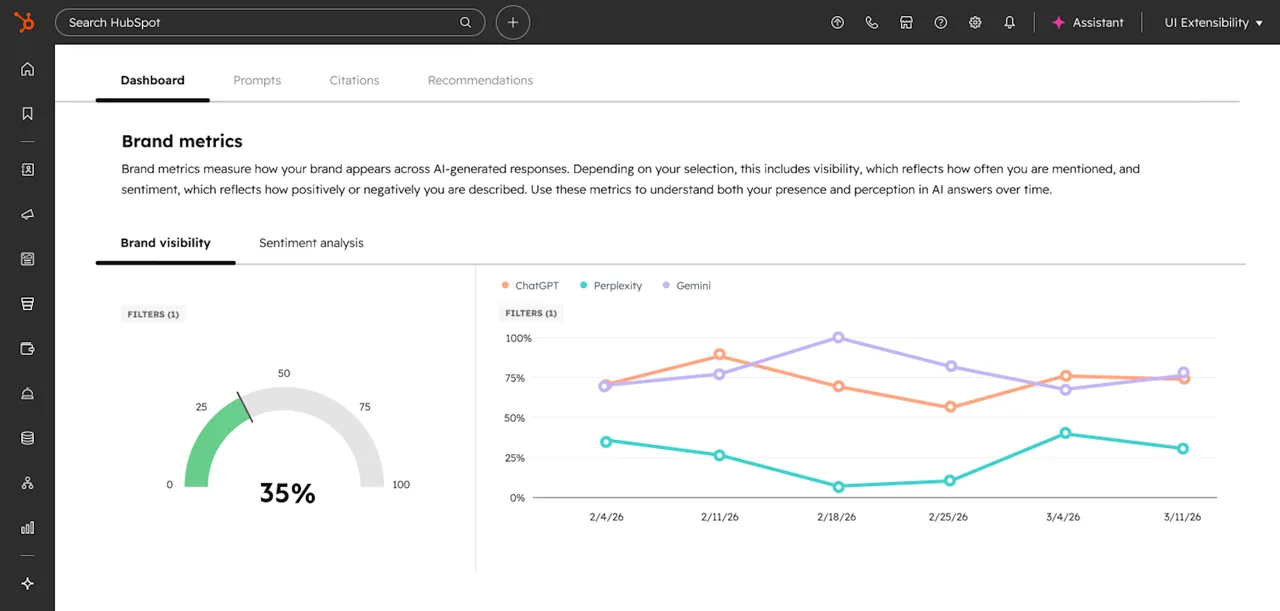
It also asks ChatGPT, Claude, Gemini and Perplexity the questions your buyers ask. You get a visibility score, share of voice, position, sentiment and cited sources versus up to 3 competitors across 20 tracked questions. Gaps where competitors are recommended become articles, and each one is re-checked 14 days after it goes live. You can read more on the AI visibility tracker page.
- Best for: small teams who want content researched, written and published for them.
- Pros: keyword research, writing, publishing and AI visibility tracking in one plan; review mode; a free 30-day content plan in about three minutes.
- Cons: it is not a full SEO suite like Semrush or Ahrefs, so it won't replace deep backlink research or technical crawls.
- Price: $66/month for 30 articles, with a 3-day free trial and cancel anytime.
2. Surfer AI: best for AI-assisted writing
Surfer AI is the writing side of Surfer SEO. You start with a keyword, and the platform works out an approach for the article and which other keywords to include. Then it helps you write faster with AI.
MarketerMilk's reviewer calls it a good fit for solopreneurs and very small teams that want to automate much of content creation. The same reviewer would not recommend it for education-heavy or thought leadership content that needs your own expertise. It suits new sites and topics that are more subjective than technical.
- Best for: solo founders and small teams who want a guided, keyword-first writing workflow.
- Pros: content optimization is built in; popular and well established.
- Cons: you still run the workflow yourself, and it is weaker for expert-led content.
- Price: starts at $99 per month.
If you're weighing Surfer against a done-for-you option, our Rankfly vs Surfer SEO comparison lays out the differences.
3. Frase: best for SERP-based briefs
Frase is an AI content optimization tool that builds outlines and briefs from current search results. It suggests subtopics and questions, analyzes top-ranking pages for a keyword, summarizes competitor content and helps with drafting.
StoryChief's roundup calls it very user-friendly and strong at showing what ranks and why. It also notes that Frase lacks broader SEO functions like backlink tracking or technical audits, and that content may still need human refinement. The sources I used don't state a price, so check Frase's site for current plans.
- Best for: writers and content teams who build many briefs.
- Pros: fast briefs, clear view of what already ranks.
- Cons: no backlink or technical tools; drafts need editing.
See the Rankfly vs Frase page if you're deciding between a brief tool and a full writing and publishing service.
4. SE Ranking: best for rank tracking
SE Ranking is a broader SEO platform with a rank tracker as its standout feature. You can track keyword performance and compare it against competitors. It also uses AI to examine search results for a keyword and estimates potential organic traffic. It includes an on-page SEO tool.
A ResultFirst review lists two weak spots: the content editor's briefs "do not hit the mark," and the local SEO tools aren't great for localized data. So use it for tracking, not as your main writing tool.
- Best for: owners who want to see where they rank and how competitors compare.
- Pros: solid tracking, competitor comparison, on-page tool.
- Cons: content briefs and local data are weaker.
- Price: starts at $52 per month on the annual plan.
5. Page Optimizer Pro: best for on-page fixes
Page Optimizer Pro (POP) gathers information on your existing pages so you can optimize them for specific keywords. It also helps you add schema markup. You can connect your own ChatGPT API key and use it as an AI writing assistant.
MarketerMilk describes it as a cheaper alternative to Clearscope for on-page work. It fits sites that already have content and want to improve it page by page, rather than publish new articles.
- Best for: improving existing pages.
- Pros: low entry price, schema help, flexible AI writing through your own API key.
- Cons: it optimizes pages you already have; it doesn't plan or publish content for you.
- Price: starts at $37 per month.
6. LowFruits: best for long-tail keyword research
LowFruits is a keyword research tool that automates SERP analysis of your competitors. It highlights weaknesses and content gaps so you can find low-competition keywords. You can also import keywords you already have and let it cluster them into topics.
It is a good match for small sites that can't win head terms and need long-tail targets. If you only want a quick difficulty read first, our free keyword difficulty checker is a no-cost starting point.
- Best for: finding keywords a small site can actually win.
- Pros: SERP weakness analysis, clustering, low price.
- Cons: it finds keywords; you still have to write and publish the content.
- Price: starts at $29.99 per month.
7. ChatGPT: best for question research
ChatGPT is not an SEO tool, but it is useful for one SEO job: finding what people ask. MarketerMilk's reviewer asks it what questions people would ask about a topic, then turns the relevant ones into H2 subheadings. Another trick is to point it at a subreddit in your niche and ask for the most common questions.
The same reviewer doesn't use it to pick the main target keyword. So treat it as a research assistant, not a source of search volume.
- Best for: outlines, heading ideas and question research.
- Pros: free tier, flexible, fast.
- Cons: no search volume or difficulty data.
- Price: free, then $20 per month.
8. Gumloop and n8n: best for building your own AI SEO workflows
Gumloop is a no-code tool that adds an LLM layer to workflow automation. You drag nodes onto a canvas and connect them into flows, for example to scrape pages, draft outlines or proofread a post. It has a free plan, then starts at $37 per month.
n8n is similar, but it can be self-hosted and leans low-code, so it suits more technical users. It has many community templates and starts at $24 per month. Both need you to know the steps you want automated, because you build the workflow yourself.
- Best for: marketers who enjoy building systems.
- Pros: very flexible; free or low entry price.
- Cons: setup time, and you own the maintenance.
9. AI visibility tools: Peec AI, Profound and budget options
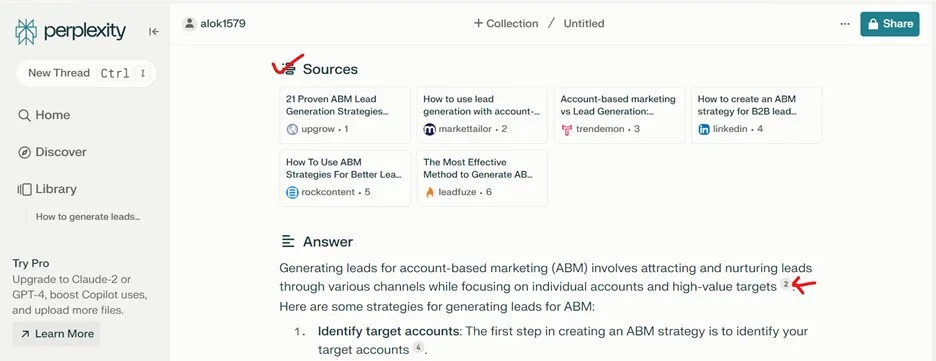
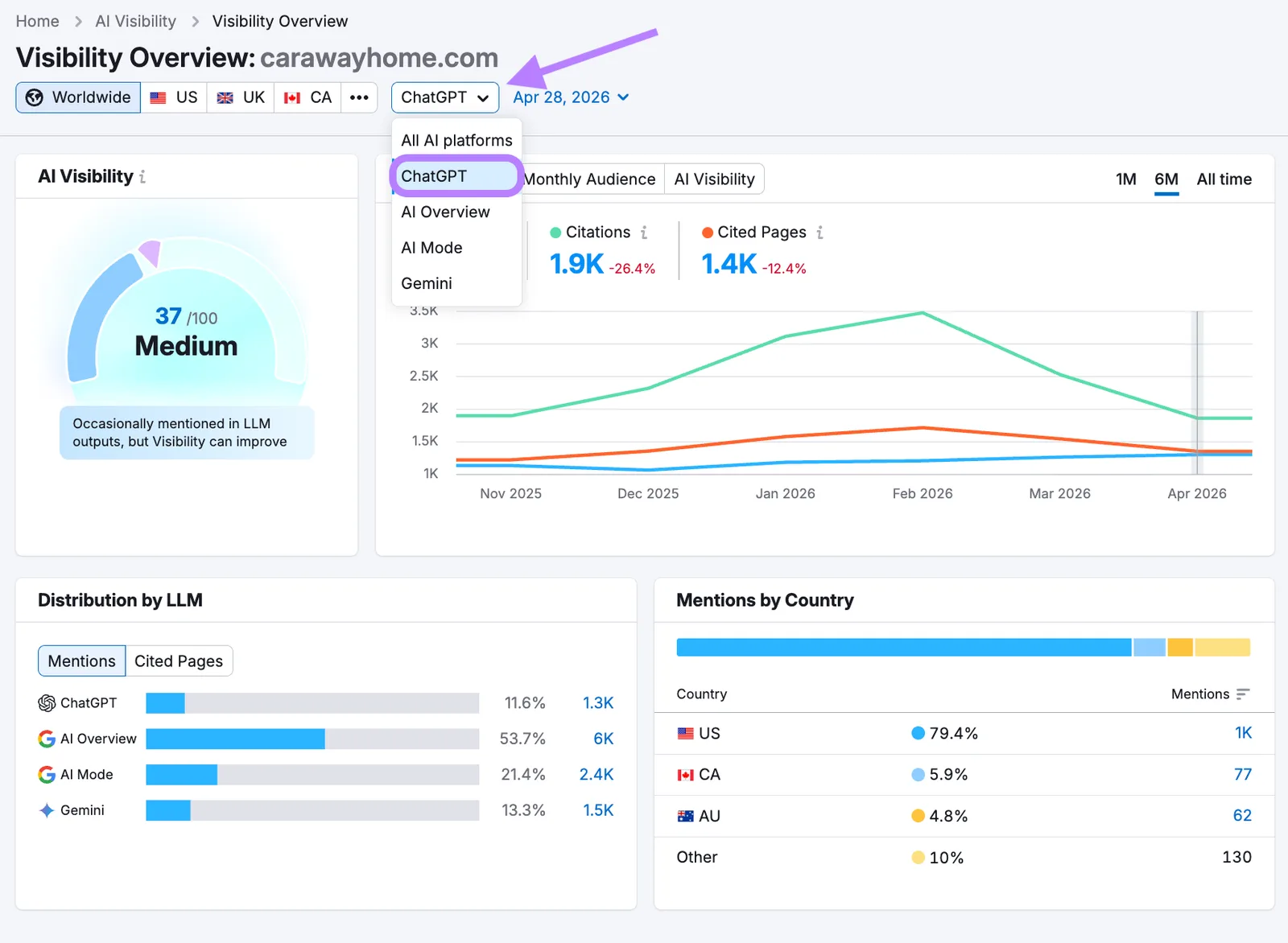
AI visibility tools track whether ChatGPT, Claude, Perplexity, Gemini and Google AI Overviews mention your brand. Searchbloom's tool list covers the main options and their reported prices.
- Peec AI: from EUR 89 per month, with 115+ languages and wide geographic coverage. The most accessible entry point for smaller teams.
- Profound: Lite plan from $499 per month covers four platforms. It's built for mid-market and enterprise teams.
- Semrush AI Visibility Toolkit: bundled into Semrush One plans, from $165 per month on Starter, billed annually.
- Writesonic GEO, Promptmonitor, Otterly.AI: budget-tier monitoring at lower prices. Verify they cover what you need first.
Rankfly's tracker covers the same basic job for 20 tracked questions against up to 3 competitors, and it's part of the $66 plan. The difference is the next step: gaps where a competitor is recommended become articles.
10. Semrush and Ahrefs: best for all-in-one SEO data
Semrush and Ahrefs are the big all-in-one suites. Semrush covers keyword research, backlink analysis, site audits and rank tracking, plus the AI Visibility Toolkit, from about $117 per month billed annually. Ahrefs covers backlinks, keyword tracking, a content explorer, site audits and AI citation features through Brand Radar, from $129 per month on Lite.
StoryChief's roundup notes that Semrush can get costly at scale and that Ahrefs is relatively expensive for small teams. They are worth it if SEO is a main channel and someone on your team will use the data every week. They don't write or publish articles for you.
Are there free AI SEO tools?
Yes, and they cover more than you'd expect. Google Search Console is free and shows clicks, impressions, indexing issues and Core Web Vitals for your own site. ChatGPT has a free tier for question research. Rankfly also offers a set of free SEO tools for keywords, rank checks, schema and technical checks.
How to choose the best AI SEO tool
Pick by the bottleneck, not by the longest feature list. A tool you don't use is wasted money, however good the demo looked.
Use these questions to decide:
- What job do you skip? Writing, research, tracking or AI visibility.
- Who does the work? If nobody on your team has time, choose a done-for-you tool over a DIY toolkit.
- Can you check its output? Make sure you can review and approve changes before they go live.
- Does it connect to your site? Check for your CMS or a webhook.
- Does the price fit your workload? Compare plan limits, not just the starting price.
| If you are... | Choose | Budget range from the sources |
|---|---|---|
| A busy owner who needs content published | Rankfly | $66/month |
| A solo writer who likes control | Surfer AI or Frase | $99/month for Surfer; check Frase |
| A site with lots of old pages | Page Optimizer Pro | $37/month |
| Short on keyword ideas | LowFruits | $29.99/month |
| Watching rankings against rivals | SE Ranking | $52/month (annual) |
| Curious about AI answers | Peec AI or Rankfly | EUR 89/month or $66/month |
| An SEO-led team | Semrush or Ahrefs | About $117 to $129/month |
Small businesses usually get the most from one tool that ships content plus a free research tool, rather than three overlapping subscriptions. The SEO for small businesses page explains the basics of how that plays out.
One more option worth knowing is Alli AI, an AI agent platform for on-page changes that is aimed at agencies. MarketerMilk lists it from $169 per month. It's less relevant if you run one site.
Final thoughts
There is no single best AI SEO tool, but there is a best one for your bottleneck. If that bottleneck is getting articles written and published, Rankfly covers it for $66 a month, and the 3-day free trial lets you try it first. For research, tracking and AI visibility, the cheaper specialist tools above fill the gaps.
Frequently asked questions
What is the best AI SEO tool for small businesses?
It depends on the job. For done-for-you article writing and publishing, Rankfly at $66 a month is a strong fit. For research, tracking or AI visibility, specialist tools like LowFruits, SE Ranking or Peec AI cost less.
What is an AI SEO tool?
An AI SEO tool is software that uses machine learning or language models to speed up SEO tasks such as keyword research, content writing, on-page optimization, rank tracking and AI visibility monitoring. Some tools do one task, others bundle several.
Is there a free AI SEO tool?
Yes. Google Search Console is free for monitoring your own site, ChatGPT has a free tier for question research, and Rankfly offers free SEO tools for keywords, rank checks, schema and technical checks. Free options cover research and monitoring better than they cover content production.
Can AI SEO tools replace an SEO agency?
They can replace much of the routine work, like drafting articles, clustering keywords and tracking rankings. You still need to review the output and decide on strategy. Done-for-you tools get closest, especially ones with an approval mode.
How much do AI SEO tools cost?
Reported starting prices in the sources range from about $24 to $29.99 a month for automation and keyword tools, up to $99 for Surfer AI and $499 for Profound Lite. Rankfly is $66 a month for 30 articles. Prices change, so check each vendor's site.
How do I get my business recommended by ChatGPT?
Publish clear, well-sourced content that answers the questions buyers ask, and make sure AI crawlers can access your site. Then track the questions over time to see where competitors are recommended instead of you. AI visibility tools automate that tracking.
About the editorial team
Emma writes Rankfly's guides on SEO, AI search and getting small businesses found on Google and ChatGPT.