AI-Driven SEO Strategies: 12 That Work in 2026
Twelve AI-driven SEO strategies, each with exact steps: six that use AI to do the work faster and six that get you cited by ChatGPT and Google. Ends with a plan you can start this week.

See if ChatGPT recommends you
Rankfly tracks your visibility in ChatGPT, Claude, Gemini and Perplexity, then writes the articles that close the gaps.
Check my AI visibilityKey takeaways
- AI-driven SEO has two halves: using AI to do SEO work faster, and shaping your content so AI assistants cite it.
- Google does not penalize content just because AI helped write it, but it does reward content that is helpful, original and shows real experience.
- Answer-first structure, schema markup, FAQs and original details make a page easier for ChatGPT, Claude, Gemini and Perplexity to quote.
- AI is good at research, briefs and first drafts; people must add facts, examples and judgment, and check every number.
- Track which questions your buyers ask AI assistants and whether you appear, then write or refresh pages for the gaps.
Table of contents
AI-driven SEO strategies are methods that use AI to speed up search work (keyword research, briefs, drafting, internal links) and methods that make your content easy for AI assistants like ChatGPT to find and cite. The ones that work in 2026 combine both: AI handles the repetitive work, and you add the expertise, structure and proof that make a page worth quoting.
Most guides cover only one half. Below are 12 strategies, six for each, with exact steps, a copy-paste prompt, a comparison table, common mistakes and a plan you can start this week.
What are AI-driven SEO strategies?
AI-driven SEO is the practice of using AI tools to research, create and optimize content for search, and structuring that content so AI assistants and AI search features can understand and cite it.
It has two parts:
- AI as your SEO helper. Tools find keywords, summarize the top results, draft articles, suggest internal links and flag gaps.
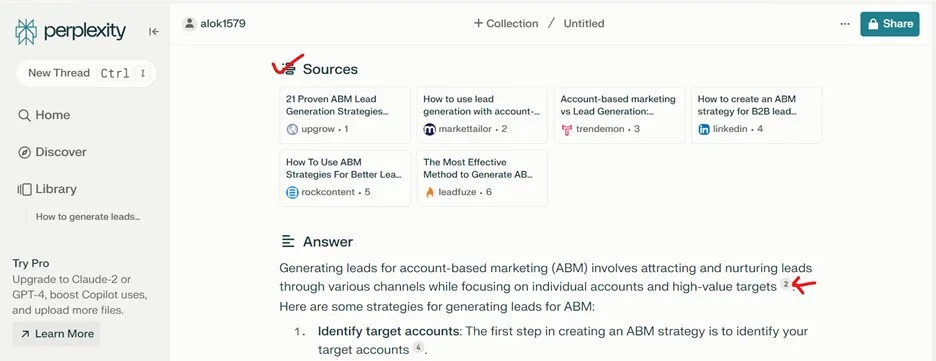
- AI as a new place to be found. ChatGPT, Claude, Gemini, Perplexity and AI summaries in Google answer questions directly. Being named in those answers is a goal of its own, often called GEO (generative engine optimization). Our guide to GEO vs SEO covers what changes and what stays the same.
Why AI-driven SEO strategies matter in 2026
People no longer find businesses only by clicking blue links. They ask an assistant, read an AI summary, then decide. If you rank on page one but never get mentioned in those answers, you lose a growing share of first impressions.
At the same time, AI has made publishing cheap, so generic content is everywhere. Google has said it does not penalize content just because AI produced it. It rewards content that is helpful, written for people and shows experience and expertise. That means the winning move is not more AI text. It is AI-assisted work with more real substance per page.
12 AI-driven SEO strategies that work
Here is the full list at a glance, then each strategy with a how-to.
| # | Strategy | What AI does | What you do | Effort |
|---|---|---|---|---|
| 1 | Cluster keyword ideas | Generates and groups ideas | Validate with real search data | Low |
| 2 | Pick winnable keywords | Scores and sorts options | Match to your site's authority | Low |
| 3 | Build briefs from the SERP | Summarizes top results | Choose the gaps to cover | Medium |
| 4 | Draft, then add your expertise | Writes the first draft | Add facts, examples, proof | Medium |
| 5 | Publish on a schedule | Automates the pipeline | Review and approve | Low |
| 6 | Tighten internal links | Suggests link targets | Pick the relevant ones | Low |
| 7 | Answer first | Rewrites for clarity | Verify the answer is correct | Low |
| 8 | Add schema markup | Generates JSON-LD | Test and place it | Medium |
| 9 | Write real FAQs | Drafts answers | Use questions customers ask | Low |
| 10 | Publish original material | Helps outline and format | Supply data, photos, cases | High |
| 11 | Build authority signals | Drafts bios and profiles | Earn mentions and credentials | High |
| 12 | Track and refresh | Asks assistants your questions | Update pages that lose | Medium |
If you prefer to watch first, this Ahrefs video gives a useful overview of ranking in Google in the AI era.
Part 1: Use AI to do the SEO work
1. Let AI generate keyword ideas, then cluster them
AI is fast at turning a business description into hundreds of search ideas. It is not a reliable source of search volume, so treat its output as a list of candidates to check.
- Describe your three main services and your typical customer.
- Ask for the questions that customer would type before buying.
- Collect 50 to 100 candidates, including long-tail phrases.
- Group them by intent so each page targets one cluster, not one keyword. A keyword clustering tool does this in minutes.
2. Choose keywords you can actually win
A keyword is only useful if your site can rank for it. A new site rarely beats an established brand on a broad term, but it can win a specific one.
- Look at which sites rank for your target terms.
- If they are far stronger than you, narrow the phrase: add a city, a use case or a buyer type.
- Start with terms where sites similar to yours already appear.
- Move up to broader terms as your authority grows.
3. Build briefs from what already ranks
AI can read the top 10 results faster than you can. Your job is to decide what they miss.
- Open the top results and list their headings.
- Note the People Also Ask questions and related searches.
- Mark what every page covers (the minimum) and what none cover (your opening).
- Turn that into a brief: title, H2s, questions to answer, examples to include. A content brief generator gives you a starting structure.
4. Draft with AI, then add what only you know
AI drafts are a starting point. The version that ranks and gets cited has details a model cannot invent: your prices, your process, your customers, your opinion.
Try a prompt like this:
Write a first draft of an article for [audience] answering [main question]. Start with a two-sentence direct answer. Use the headings in the brief below. Where you need a specific fact, number or example, write [ADD DETAIL] instead of guessing.
Then edit:
- Replace every [ADD DETAIL] with something real.
- Fact-check every number and name.
- Cut generic sentences that could appear on any competitor's site.
- Add a photo, screenshot or example from your own work.
5. Publish on a schedule you can keep
SEO rewards consistency. Most small teams do not fail at strategy, they fail at publishing week after week.
- Pick a cadence you can sustain, even if it is two articles a week.
- Batch research and briefs on one day, edits on another.
- Automate the repeatable steps (publishing, formatting, linking) but keep a review step before anything goes live.
Our guide to SEO automation lists what is safe to automate and what is not.
6. Use AI to tighten internal links
Internal links help search engines and AI crawlers understand which pages belong together and which matter most.
- Export a list of your pages and their topics.
- For each new article, link to two or three related pages with descriptive anchor text.
- Go back to older related pages and add links to the new one.
- Run an internal link checker to find pages with no links pointing at them.
Part 2: Get cited by AI assistants
7. Answer first, then explain
Assistants pull short, clear passages. A page that buries the answer under three paragraphs of warm-up is harder to quote.
- Write H2s as the questions people ask, in their words.
- Open each section with a one or two sentence direct answer.
- Define key terms in one clear sentence.
- Keep paragraphs to two to four sentences and use lists and tables for steps and comparisons.
Xponent21's guide to AI SEO makes the same point: clear headings, a short summary up top and scannable formatting help both people and AI models. You can read it in their AI SEO strategies guide.
8. Add schema markup
Schema is code that tells machines what a page is, not just what it says. Useful types include Article, FAQPage, LocalBusiness, Organization, Product, HowTo and Person.
- Choose the types that match the page (a service page gets LocalBusiness or Service, a blog post gets Article, a Q&A block gets FAQPage).
- Generate the JSON-LD. A FAQ schema generator handles the most common case.
- Paste it into the page.
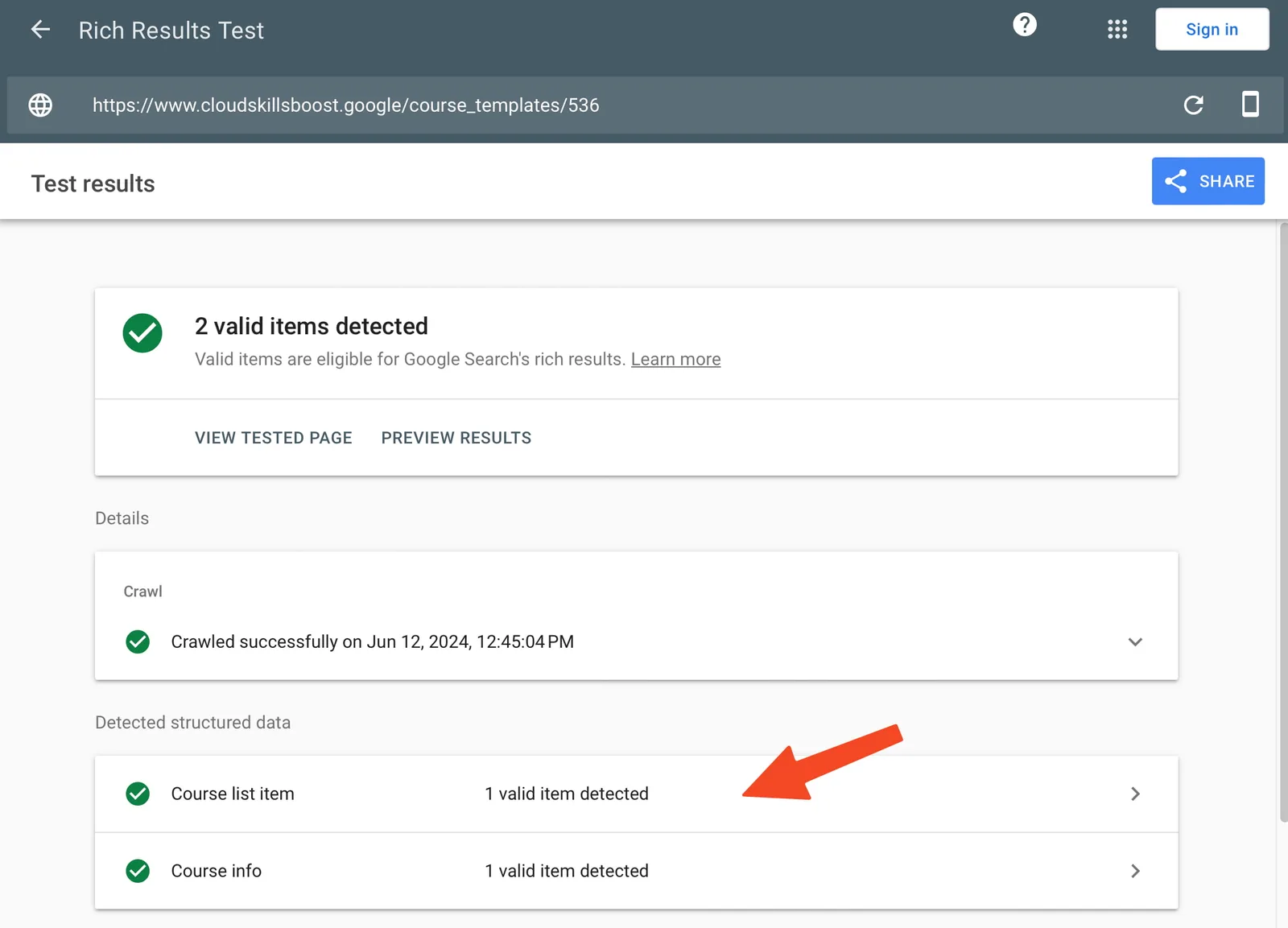
- Test it with Google's Rich Results Test or the Schema Markup Validator.
9. Put real questions in an FAQ
Question-and-answer blocks are easy for assistants to lift, and they cover the objections buyers raise before they contact you.
- Collect questions from sales calls, emails, reviews and support chats.
- Add an FAQ to your main service pages, product pages and pricing page.
- Answer in two to three plain sentences with specifics.
- Each time a prospect asks something new, add it, and update the FAQ schema to match.
10. Publish something original
AI models synthesize many sources. If your page repeats what ten others say, there is no reason to quote it. Original material gives an assistant a reason to pick you.
Options that work for small businesses:
- First-party data: a customer survey, your own pricing ranges, job counts by season.
- Your own visuals: a diagram of your process instead of a stock photo.
- Edge cases: the exceptions and mistakes competitors skip.
- Case examples: a before and after from a real job, with permission.
Only publish numbers you can back up. If you cannot source it, describe it without a figure.
11. Build authority signals across the web
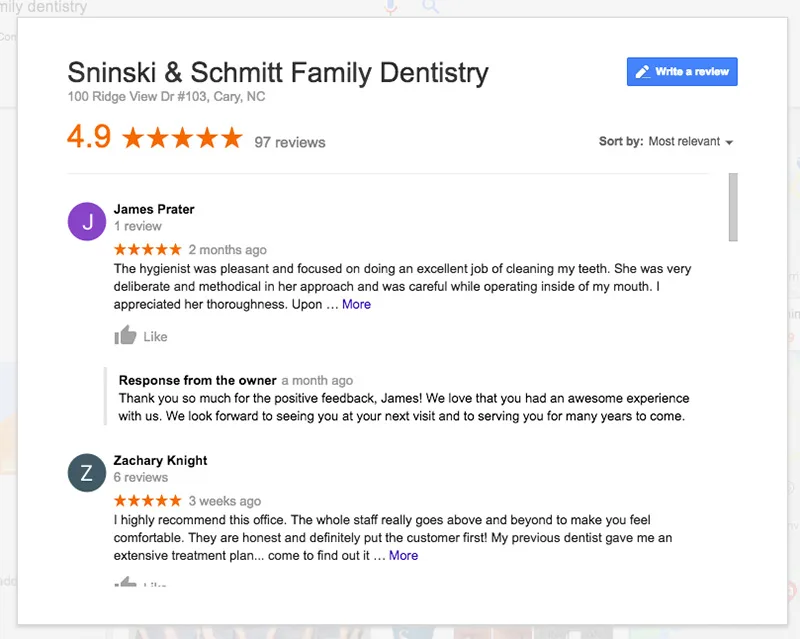
Assistants look for signs that a source is trustworthy: who wrote it, what they know and who else vouches for them.
- Add author bios with real credentials, years of experience and affiliations.
- Link each author to professional profiles such as LinkedIn or industry directories.
- Use Person and Organization schema to connect content to real people and your brand.
- Keep your business name, description and details consistent everywhere they appear.
- Repeat your key insights in other places (a LinkedIn post, a podcast, a guest article) that point back to your site.
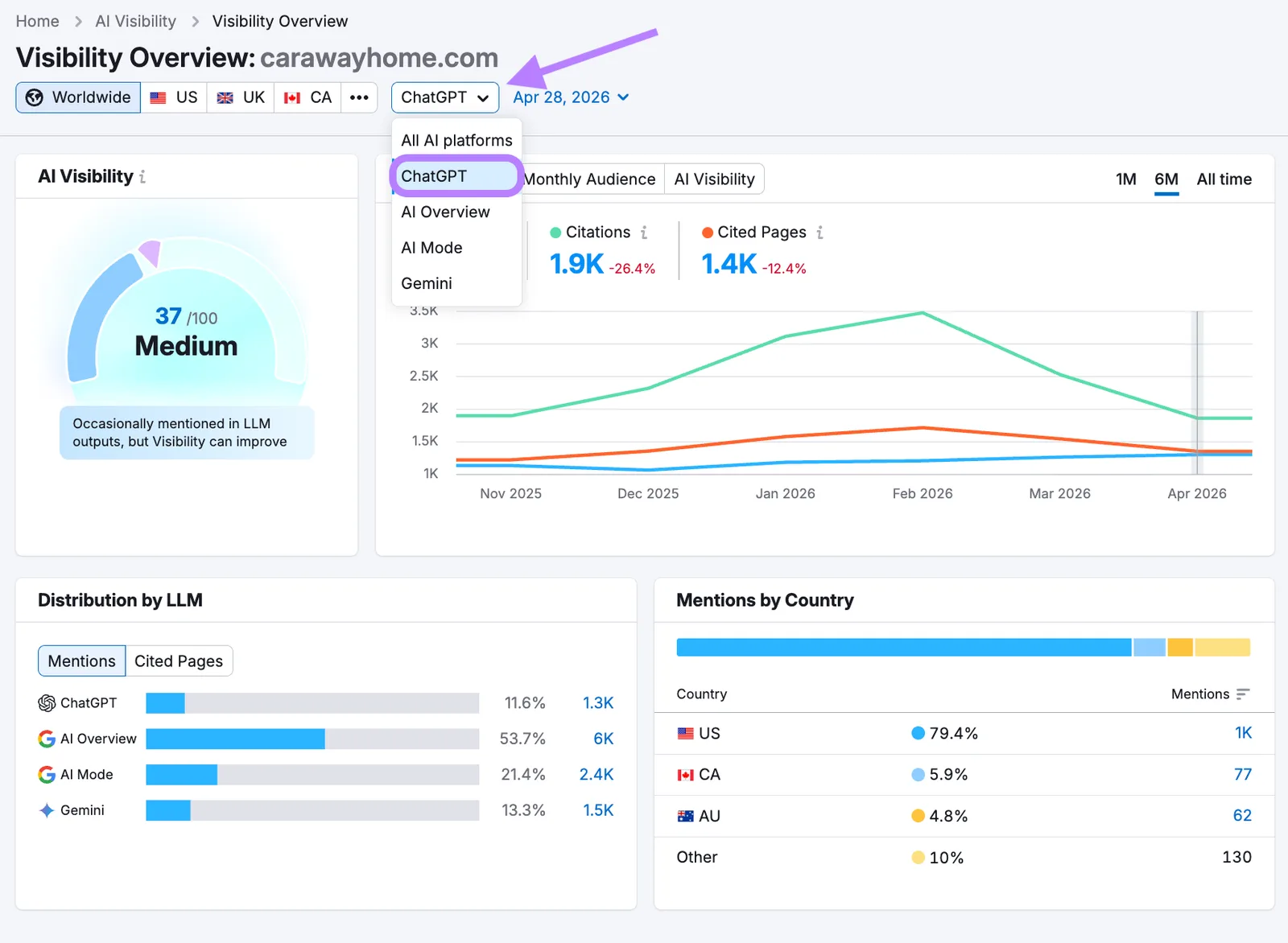
12. Track AI visibility and refresh what loses
You cannot improve what you do not measure, and AI answers change. Treat this like rank tracking for assistants.
- Write down 10 to 20 questions your buyers ask before choosing a provider.
- Ask ChatGPT, Claude, Gemini and Perplexity each one.
- Record whether you are mentioned, who is recommended instead, and which sources are cited.
- For each gap, write a new page or update an existing one that answers the question better than the cited source.
- Re-check a couple of weeks later and repeat.
Doing this by hand works for a first pass. It gets tedious fast, which is why dedicated AI visibility tracking exists.
Common mistakes with AI-driven SEO
- Publishing unedited AI drafts in bulk. Volume without substance is the fastest way to build a site nobody cites.
- Trusting AI for search volume or facts. Models can state numbers confidently and be wrong. Verify anything you publish.
- Writing for machines instead of people. Structure helps, but the page still has to be useful to a human reader.
- Skipping the basics. Fast pages, crawlable content, clear titles and internal links still matter. Our guide to content SEO writing covers them.
- Chasing AI mentions without a source worth citing. If you have no original information, there is nothing to cite.
- Never measuring. Without a list of tracked questions, you will not know whether anything worked.
Tools for AI-driven SEO
You do not need every tool. Pick one per job.
| Job | Option | Good for | Limit |
|---|---|---|---|
| Research and drafting | ChatGPT, Claude, Gemini | Ideas, outlines, first drafts | Can invent facts; needs your edits |
| Full SEO suite | Semrush, Ahrefs | Deep keyword, backlink and audit data | Built for people who do the SEO themselves; check current pricing |
| Schema testing | Google Rich Results Test | Checking structured data | Does not write the markup |
| Quick checks | Free tools on Rankfly | Keyword, schema and technical checks | Single tasks, not a full workflow |
| Hands-off content | Rankfly | Researched, written and published articles plus AI visibility tracking | Not a full suite like Semrush or Ahrefs |
For a broader comparison, see our list of the best AI SEO tools for small businesses.
Where Rankfly fits
If your real goal is getting found on Google and in AI answers without running the process yourself, Rankfly is built for that. It researches the current top 10 results and the questions people ask, writes one SEO article a day in your brand's voice with internal links, sources and an FAQ, and publishes to your site. You can switch on review mode to approve each article first.
It also asks ChatGPT, Claude, Gemini and Perplexity the questions your buyers ask, and shows where competitors are recommended. Those gaps become articles, and each one is re-checked 14 days after it goes live. It costs $66 a month for 30 articles, with a 3-day free trial.
A plan you can follow this week
| Day | Task | Time |
|---|---|---|
| Monday | List 15 questions buyers ask. Ask them in ChatGPT, Claude, Gemini and Perplexity and note who is recommended. | 60 min |
| Tuesday | Cluster keyword ideas and pick 3 you can realistically win. | 45 min |
| Wednesday | Build a brief for the best one from the top 10 results. | 45 min |
| Thursday | Draft with AI, then add your own facts, examples and a photo. | 90 min |
| Friday | Put the answer in the first two sentences, add an FAQ and schema, test it, publish and add internal links. | 60 min |
Repeat the cycle weekly and re-run Monday's questions every two weeks to see movement.
Final thoughts
The best AI-driven SEO strategies use AI for speed and people for substance: sharp research, original details, clear structure and proof of who you are. Start by checking which buyer questions already mention you, then fix the biggest gap first.
Frequently asked questions
What is AI-driven SEO?
AI-driven SEO is using AI tools to speed up research, content creation and optimization, and structuring your content so AI assistants and AI search features can understand and cite it. It covers both ranking in Google and being named in answers from tools like ChatGPT.
Does Google penalize AI-generated content?
Google has said it does not penalize content just because AI produced it. It does demote unhelpful, low-quality or manipulative content, so AI drafts still need human editing, accurate facts and real expertise.
How do I get ChatGPT to recommend my business?
Publish clear, answer-first pages with original details, FAQs and schema markup, and build authority signals such as author bios and consistent profiles elsewhere. Then ask ChatGPT your buyers' questions regularly to see whether you appear and update pages where you do not.
Can AI replace an SEO specialist or writer?
AI can handle research, briefs, first drafts and repetitive tasks well. It cannot supply your real experience, original data or editorial judgment, so the strongest setups pair AI with a human reviewer or a service that handles the process end to end.
Is SEO for AI search different from regular SEO?
The foundations are the same: helpful content, good structure and trust signals. AI search adds emphasis on direct answers, structured data, original information and being mentioned across the web, which is why it is often called GEO.
Which AI-driven SEO strategy should I start with?
Start by asking AI assistants the questions your buyers ask and noting who gets recommended. That shows your biggest gaps, and you can then write answer-first pages with original details to close them.
About the editorial team
Emma writes Rankfly's guides on SEO, AI search and getting small businesses found on Google and ChatGPT.