Dentist Marketing: 25 Ideas That Bring In New Patients
25 practical dentist marketing ideas, grouped by theme. Each one says why it works and how to start, so you can fill your schedule without guessing.

Get found by more customers
Rankfly finds the keywords dentists can win, then writes and publishes an SEO article every day.
Get my free planKey takeaways
- Dentist marketing works best as one connected system: get found, earn trust, make booking easy, and bring patients back.
- Your Google Business Profile, your reviews and a clear service page for each treatment do most of the work for most practices.
- Retention ideas like recall and reactivation cost far less than ads, so build them before you spend more on acquisition.
- Pick two or three ideas, run them for a few months, and track cost per new patient before you add more.
Table of contents
The best dentist marketing combines four things: being found on Google and Maps, earning trust with reviews and a clear website, making booking easy, and bringing patients back. The 25 ideas below are grouped that way, so you can pick two or three and start this week.
Great dentistry does not fill a schedule by itself. Patients choose the practice they can find, trust and book without friction. Every idea here works on one of those steps.
What is dentist marketing?
Dentist marketing is everything a practice does to get found, chosen and revisited by patients, from Google listings and reviews to ads, referrals and recall messages.
Think of it as a patient journey: they discover you, evaluate you, choose you, and either return or drift away. Most practices spend their effort on the first step only. The ideas below cover all four.
How do you choose which dentist marketing ideas to start with?
Start with the cheapest ideas that fix leaks in the patient journey, then add paid and community ideas once the basics work. The table below shows how the groups compare.
| Idea group | Typical cost | How fast it works | Best for |
|---|---|---|---|
| Local search and website (1-6) | Low, mostly time | Weeks to months | Steady new patient flow |
| Reviews and trust (7-11) | Free to low | Weeks | Turning searchers into callers |
| AI search and answers (12-13) | Free to low | Months | Being recommended by ChatGPT and others |
| Booking and offers (14-17) | Low | Days to weeks | Capturing patients you already attract |
| Community and referrals (18-21) | Low to medium | Months | Family and neighborhood practices |
| Paid ads (22-23) | Ad spend | Days | Filling schedule gaps fast |
| Retention (24-25) | Low | Days | Existing patients and revenue stability |
If you are a new practice with a small budget, this walkthrough covers low-cost starting points:
Ideas to get found on Google and Maps
Most new patients start with a search like "dentist near me" or "emergency dentist" plus a town name. These six ideas make sure you show up.
1. Claim and finish your Google Business Profile
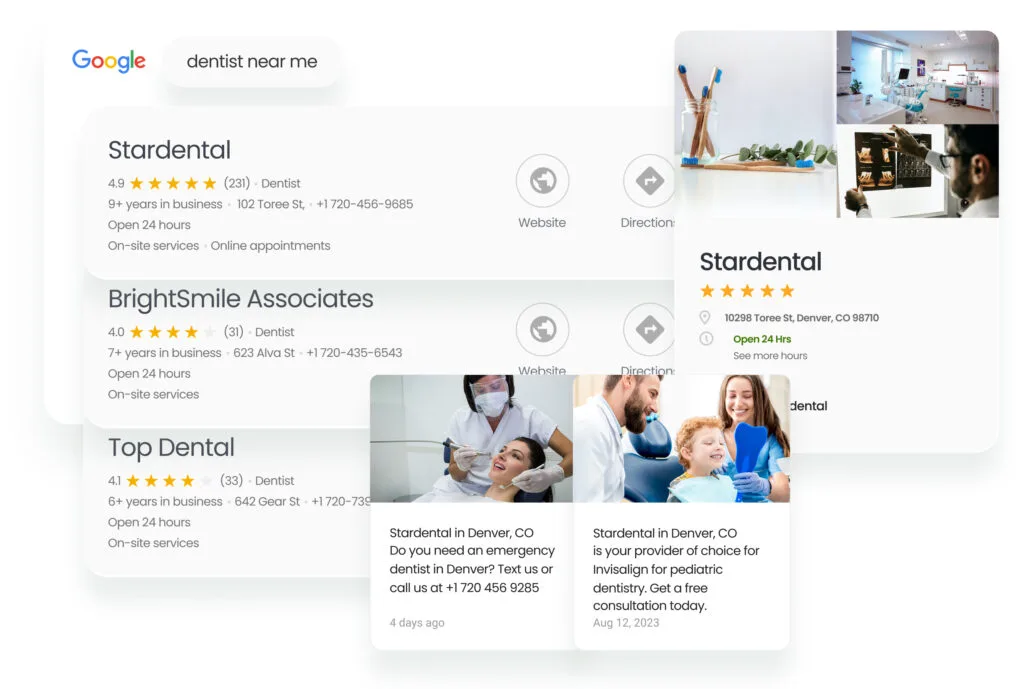
Why it works: The profile is what appears in the map results, with your reviews, hours and phone number. How to do it: Claim it through Google Business Profile, pick the right primary category (Dentist), add every service, upload real photos of the office and team, and add your booking link.
2. Build one page for each treatment
Why it works: Someone searching "dental implants" wants a page about implants, not a general services list. How to do it: Create a separate page for each high-value treatment (implants, Invisalign, crowns, emergency care, whitening). Cover who it is for, what the steps are, how long it takes, how payment and insurance work, and how to book.
3. Add your town and neighborhoods to the right pages
Why it works: Proximity matters in local search. One dental marketing guide from Dandy notes that patients usually live within roughly a 10-mile radius of the practice, though rural areas stretch further (Dandy). How to do it: Mention your city and nearby areas naturally in titles, headings and body text, and add a short "how to find us" section with parking and transit details.
4. Answer patient questions with blog posts
Why it works: People research before they pick a dentist. A clear post on "how much does a crown cost" or "what to do about a chipped tooth" puts you in front of them early. How to do it: List the 20 questions your front desk hears most. Write one post per question, in plain language, with a short answer first and a booking link at the end. The free Content Idea Generator can help you expand that list.
5. Add local business schema
Why it works: Schema is code that tells search engines your name, address, hours and services in a structured way. How to do it: Generate the markup with the free Local Business Schema Generator and paste it into your site. Keep your name, address and phone number identical everywhere online.
6. Get listed where patients look
Why it works: Directories and booking platforms add reach and consistency. How to do it: Claim your Yelp and major dental directory listings, and consider Zocdoc if online booking from a marketplace suits your practice. Check each listing for the same name, address, phone and hours as your website.
Ideas to earn trust before the first call
Even when a patient finds you, they compare. Reviews, photos and clear information decide who gets the call.
7. Ask for a review at checkout
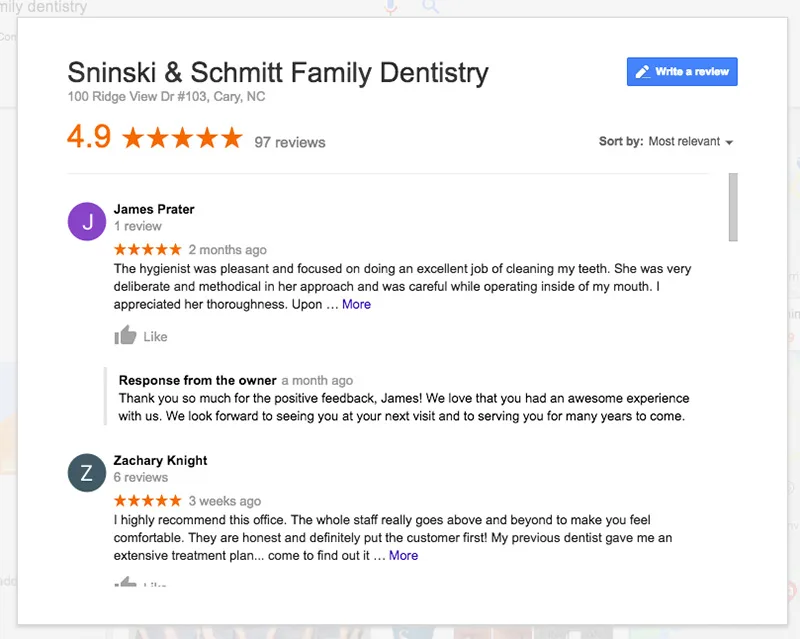
Why it works: Many people read reviews before choosing a dentist, and most happy patients never leave one unless asked. How to do it: Hand patients a card with a QR code linking straight to your Google review form, and send a text or email the same day. Ask when the visit went well, not in bulk months later.
8. Reply to every review, carefully
Why it works: Replies show future patients how you treat people. How to do it: Thank positive reviewers by first name. For negative reviews, respond politely, move the conversation offline, and never confirm someone is a patient or discuss treatment details. Practice by Numbers has a guide to dental review and reputation management that covers replying without breaking HIPAA.
9. Show real before-and-after results
Why it works: Photos of actual cases make cosmetic and restorative work concrete. How to do it: Get written consent, photograph under the same lighting and angle, and add a one-line description of the treatment and timeline. Keep a gallery page and share a few cases on social media.
10. Put faces and bios on your site
Why it works: Dental anxiety is common, and people feel better choosing someone they have seen. How to do it: Add a photo and a short, human bio for each dentist, hygienist and front desk team member. Mention training, languages spoken and what you like about the work.
11. Be clear about prices and insurance
Why it works: Uncertainty about cost makes patients hesitate. How to do it: List which insurance plans you accept, what a new patient visit includes, and starting prices or payment plans for common treatments where you can. Add an FAQ page, and mark it up with the FAQ Schema Generator.
Ideas to get recommended by AI assistants
More patients now ask ChatGPT, Gemini and similar tools questions like "who is a good dentist for anxious patients near me." Your goal is to be in those answers.
12. Check what AI assistants say about you today
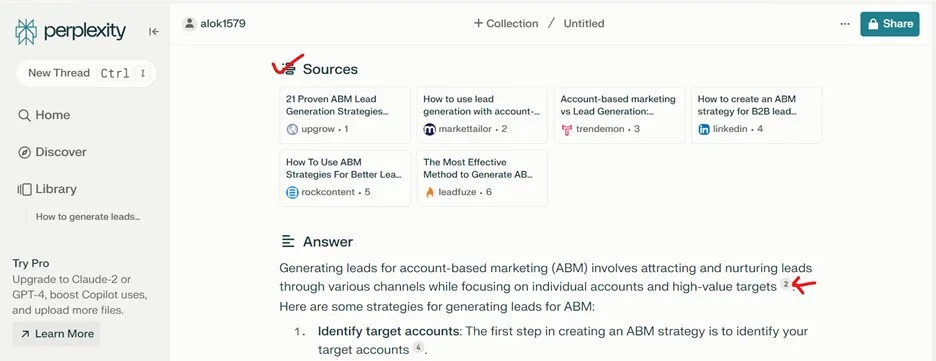
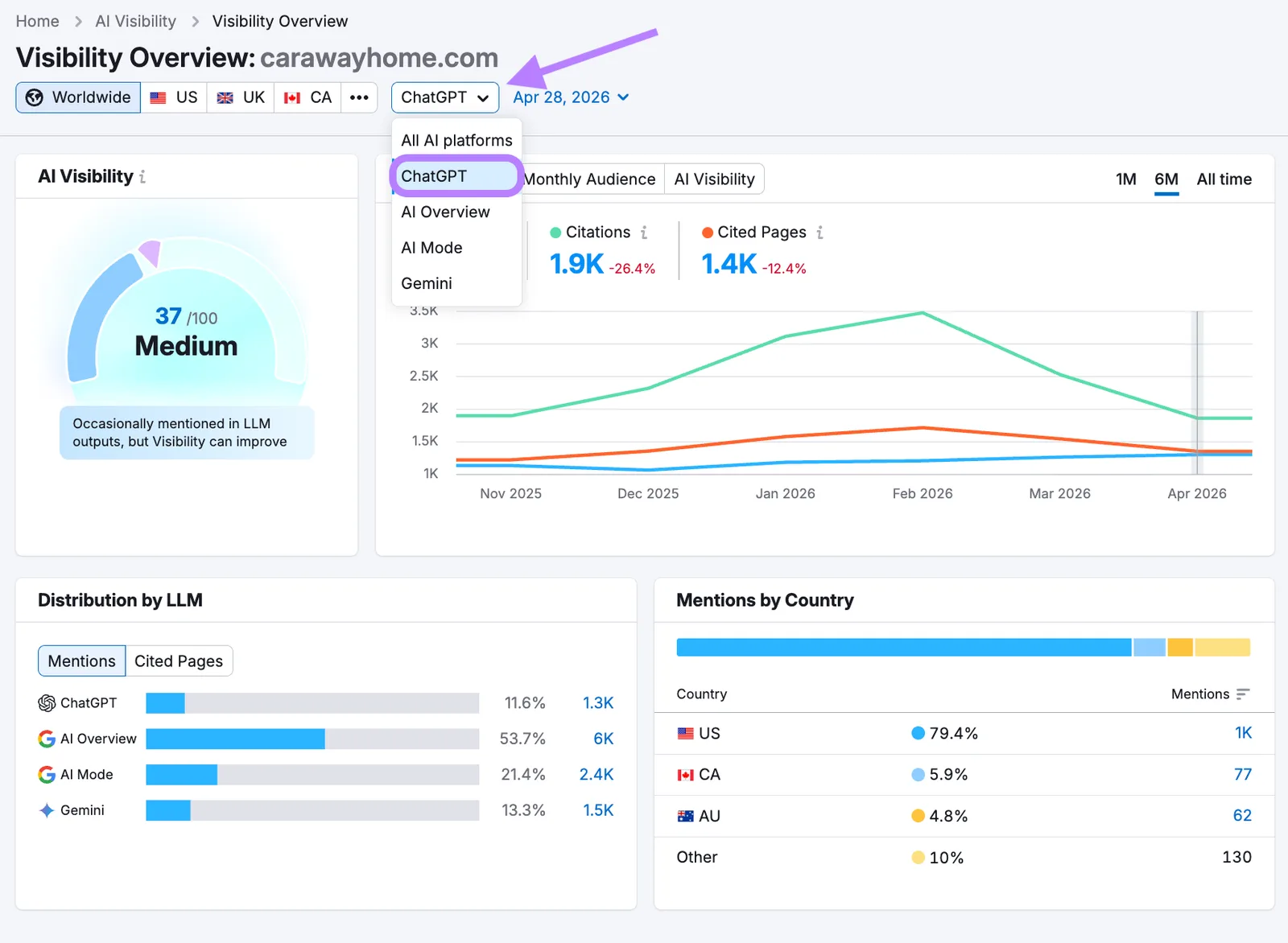
Why it works: You cannot fix what you have not seen. How to do it: Ask ChatGPT, Gemini, Claude and Perplexity the questions your patients ask, and note whether your practice is named and which sources they cite. The free AI Visibility Checker gives you a starting snapshot.
13. Write short, quotable answers on your site
Why it works: AI tools tend to quote pages that state the answer clearly. How to do it: On each treatment page and FAQ, put a one or two sentence plain answer at the top, such as "A dental crown is a cap that covers a damaged tooth. Most crowns need two visits." Confirm clinical details with your dentist before publishing.
Ideas to turn visitors into booked patients
It is wasteful to pay for attention and then lose it at the booking step.
14. Offer online booking
Why it works: Many people look for a dentist after hours, when the phones are off. How to do it: Add a booking button to your website header, Google profile and every treatment page. Keep the form short: name, phone, reason for visit, preferred time.
15. Answer every call, or text back fast
Why it works: A missed call from a new patient usually goes to the next practice on the list. How to do it: Train the front desk on a new patient script, set up voicemail that promises a call back within a set time, and track how many calls go unanswered each week.
16. Launch a membership plan for uninsured patients
Why it works: It brings in people who avoid the dentist because they have no insurance. How to do it: Offer a monthly or annual plan that bundles cleanings, exams and X-rays, with a set discount on other treatments. Dandy suggests this as a way to widen your patient pool (Dandy). Put the price on a dedicated page.
17. Make a new patient offer you can afford
Why it works: A clear first-visit offer lowers the barrier to trying you. How to do it: Offer a fixed-price exam, X-rays and cleaning package, or a whitening add-on. Keep the goal in mind: a long-term patient, not a one-time discount hunter.
Ideas for your community and referral network
Offline reputation still drives a lot of dental choices, and it feeds your online reviews too.
18. Start a patient referral program
Why it works: Patients trust friends and family more than ads. How to do it: Give a thank-you (a gift card, a credit toward care, or a donation in their name) when a referred patient completes a first visit. Mention it at checkout and in recall emails.
19. Sponsor local teams and events
Why it works: You get repeated, positive exposure in your own neighborhood. How to do it: Pick one or two causes you care about, such as a youth sports team or school fundraiser. Ask for a mention and a link from the organization's website, which also helps local search.
20. Partner with nearby non-competing businesses
Why it works: Orthodontists, pediatricians, gyms and wedding businesses all serve people who might need a dentist. How to do it: Offer to cross-promote: a welcome-bag insert, a joint giveaway, or a shared event. Keep it simple and track which partner sends patients.
21. Run school and workplace visits
Why it works: A short talk on oral health puts a friendly face on your practice. How to do it: Offer a 20-minute session at a local school or company, leave a small handout with your booking link, and ask to be invited back.
Ideas for paid advertising
Paid ads are fast, but they stop the moment you stop paying. Use them to fill gaps while search and referrals build.
22. Run Google Ads for high-intent searches
Why it works: Searches like "emergency dentist" show urgent need, and ads can put you at the top within days. How to do it: Start with a small daily budget on a few treatments and your city only. Send each ad to a matching treatment page with a clear booking button, and track calls and form submissions.
23. Retarget people who visited your site
Why it works: Many visitors leave without booking. A reminder ad keeps you in mind. How to do it: Install the ad platform tracking tags, build an audience of recent visitors, and show a simple ad with your new patient offer or a review quote.
Ideas to keep patients coming back
Winning a patient costs money. Keeping one costs much less, and Practice by Numbers argues that retention matters as much as acquisition for stable revenue.
24. Build a recall and reactivation system
Why it works: Patients forget cleanings, and a reminder is often all it takes. How to do it: Send text and email reminders before due dates, and run a win-back message to patients who have not visited in 12 months or more. Make rebooking one click.
25. Follow up after treatment and send useful emails
Why it works: A check-in after a procedure builds trust and helps patients complete treatment plans. How to do it: Send a short care message the day after major work, and a monthly or quarterly email with one tip, one seasonal reminder and a booking link.
How much should a dental practice spend on marketing?
A common guideline is a percentage of revenue, and sources differ on the exact range. The agency Dental Marketing Guy says most successful practices invest 5 to 10 percent of gross revenue, while stressing that return matters more than the budget itself.
SEO is slower than ads. The same agency says SEO typically shows results within 60 to 90 days, with gains building over 6 to 12 months, while paid ads can start producing calls within days. Plan for both timelines.
How do you know your dentist marketing is working?
Track four numbers each month, using a simple spreadsheet if needed:
- Cost per new patient: total marketing spend divided by new patients gained.
- Conversion rate: calls and form fills that turn into booked appointments.
- Patient lifetime value: what a typical patient spends over several years.
- Retention rate: how many patients come back for their next visit.
Ask every new patient how they found you and write it down. The free Keyword Rank Checker shows whether your key pages are climbing for the searches you care about.
How to keep the Google side running without it eating your week
Ideas 2 to 4 and 13 need a steady flow of accurate, well-written pages. That is the part many practice owners never find time for.
Rankfly is an SEO autopilot built for small businesses. It finds keywords your site can realistically rank for, plans a 30-day content calendar, then writes and publishes one SEO article a day to WordPress, Webflow, Wix and other platforms, with internal links, sources and an FAQ. Review mode lets you or your dentist approve each article before it goes live. It costs $66 a month for 30 articles, with a 3-day free trial, and you can generate a free 30-day content plan in about three minutes. It is not a full SEO suite like Semrush or Ahrefs, and it does not manage your Google Business Profile or reviews, so pair it with the ideas above. The Local SEO Checklist covers those local basics.
Final thoughts
Dentist marketing works when you treat it as one system: get found, earn trust, make booking easy, and bring patients back. Pick two or three ideas from this list, start with your Google profile and reviews, and measure cost per new patient before adding more. For a deeper walkthrough of the local side, read our local SEO guide for small businesses.
Frequently asked questions
What is the best marketing strategy for a dental practice?
Combine local search, steady reviews, a clear website with online booking, and a recall system for existing patients. Add Google Ads if you need new patients faster. Start with the free or low-cost basics, then measure cost per new patient.
How much should a dentist spend on marketing?
Sources vary. One dental marketing agency says successful practices invest 5 to 10 percent of gross revenue, while another source puts the typical range lower. Start with what you can sustain for at least six months and judge by cost per new patient, not the percentage.
How can a new dental practice get patients with a small budget?
Claim and complete your Google Business Profile, ask every patient for a review, build a page for each treatment, and start a referral program. These cost mostly time. Add a small Google Ads budget for high-intent searches like emergency dentist once your website can convert visitors.
How long does dentist marketing take to work?
Paid ads can bring calls within days. SEO is slower: one dental agency says it typically shows results in 60 to 90 days and keeps building over 6 to 12 months. Reviews and recall messages can improve results within weeks.
Is social media worth it for dentists?
It helps with trust and reach, especially for showing your team, office and approved before-and-after cases. It rarely replaces search, because people looking for a dentist usually go to Google first. Use it to support your reviews and local reputation, not as your only channel.
About the editorial team
Emma writes Rankfly's guides on SEO, AI search and getting small businesses found on Google and ChatGPT.