Business Blogging in 2026: Does It Still Pay Off?
Business blogging still pays off in 2026, but only if you treat posts as assets that compound. Here is how the math works, how AI search changes it, and a plan you can start this week.

Get found on Google and ChatGPT
Rankfly finds the keywords you can win, writes and publishes the articles, and tracks whether AI assistants recommend you.
Get my free planKey takeaways
- Business blogging still pays off because every ranking post keeps sending visitors after you publish it, while ads stop when the budget stops.
- Results compound: the number of live posts grows every month, so traffic grows even when your weekly effort stays flat.
- AI assistants quote pages that answer the question in the first two sentences, define terms clearly and use specific facts, so write for them too.
- Most business blogs fail from missing goals, random topics and inconsistent publishing, not from bad writing.
- You can start this week with one goal, ten realistic keywords, a simple calendar and one published post.
Table of contents

Yes, business blogging still pays off, but only when you treat it as a long-term asset and not a content habit. A post that ranks keeps bringing in readers from Google and answers from AI assistants for months or years, while paid ads stop the day you stop paying.
Business blogging is the practice of publishing helpful articles on your company's website to attract searchers, build trust and turn readers into customers.
What is business blogging?
A business blog is a section of your website where you answer the questions your buyers already type into Google or ask ChatGPT. It is different from a personal blog. You are not trying to earn ad income from page views. You are trying to get found by people who might hire you or buy from you.
Good business blogging has four parts:
- A goal, such as leads, demo requests, calls or store sales.
- A reader, with specific problems and the words they use for them.
- A topic plan, based on real search demand and not guesses.
- A steady rhythm, so the blog keeps growing instead of stalling after five posts.
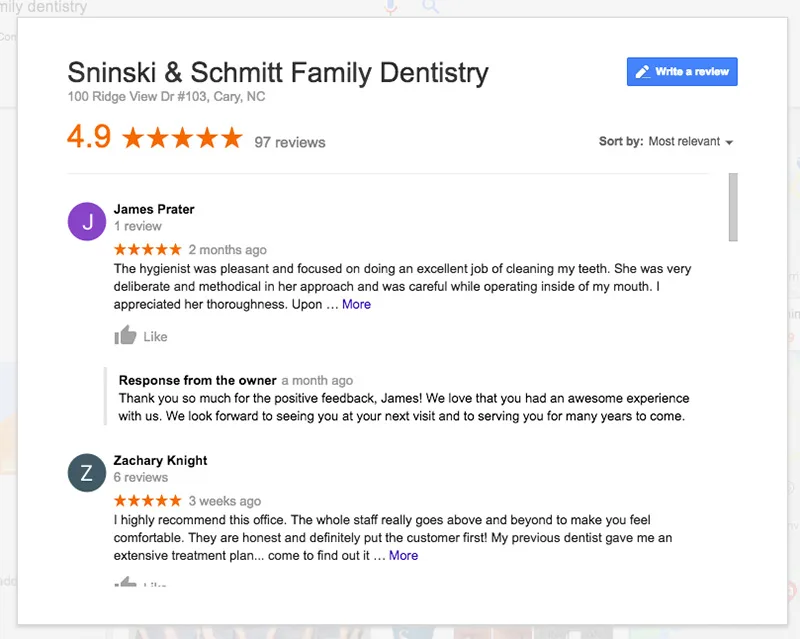
Blogging for a business also supports everything else you do. Sales teams send posts to prospects. Customers read them before they call. Search engines and AI assistants use them to decide whether you are a credible answer.
Does business blogging still pay off in 2026?
It does, because blog traffic compounds. Each post that ranks becomes a small, permanent source of visitors. Next month you publish another one, and now two posts work for you. Your weekly effort stays flat while the total number of working posts keeps climbing.
Here is a simple model to show the shape of it. These are illustrative assumptions, not industry benchmarks: 8 posts a month, an average of 10 visits per month per live post, and 2% of visitors becoming a lead.
| Month | Posts live | Visits per month | Leads per month (2%) |
|---|---|---|---|
| 3 | 24 | 240 | about 5 |
| 6 | 48 | 480 | about 10 |
| 12 | 96 | 960 | about 19 |
The lesson is not the exact numbers. The lesson is the slope. Month 12 is about four times month 3 with no extra work per month. Real results vary by niche, competition and your site's authority, so plug your own assumptions into the free SEO ROI calculator before you decide how much to invest.
Why traffic per post is uneven
The 80/20 rule shows up in blogging too. A small share of your posts, often around a fifth, tends to bring most of the traffic. You cannot know in advance which ones, so the way to find your winners is to publish consistently on topics buyers search for, then update and expand the posts that start to rank.
Where you rank matters as much as whether you rank. Search Engine Journal has a write-up on how clicks are distributed on Google's first page, and the pattern is steep: positions near the top earn far more than positions near the bottom. That is why picking winnable keywords matters more than picking big ones.
Blogging versus paid ads
Paid ads give you traffic today and nothing tomorrow. A blog is slow at first and cheaper per visitor over time. Most small businesses do best with both, but if you can only fund one for the next year, content is the one that builds equity.
How AI search changes business blogging
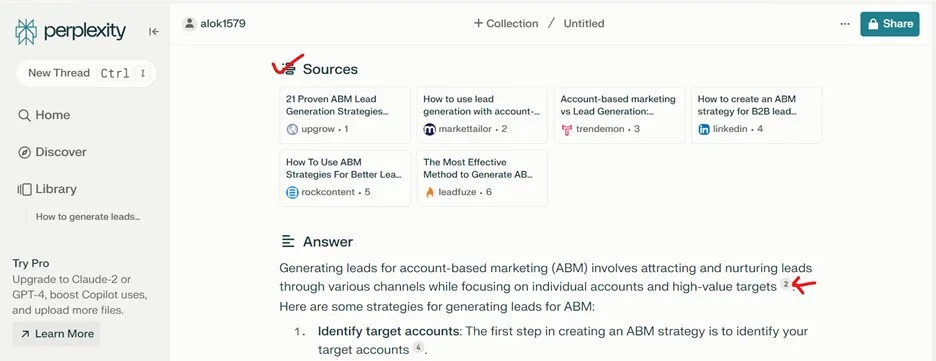
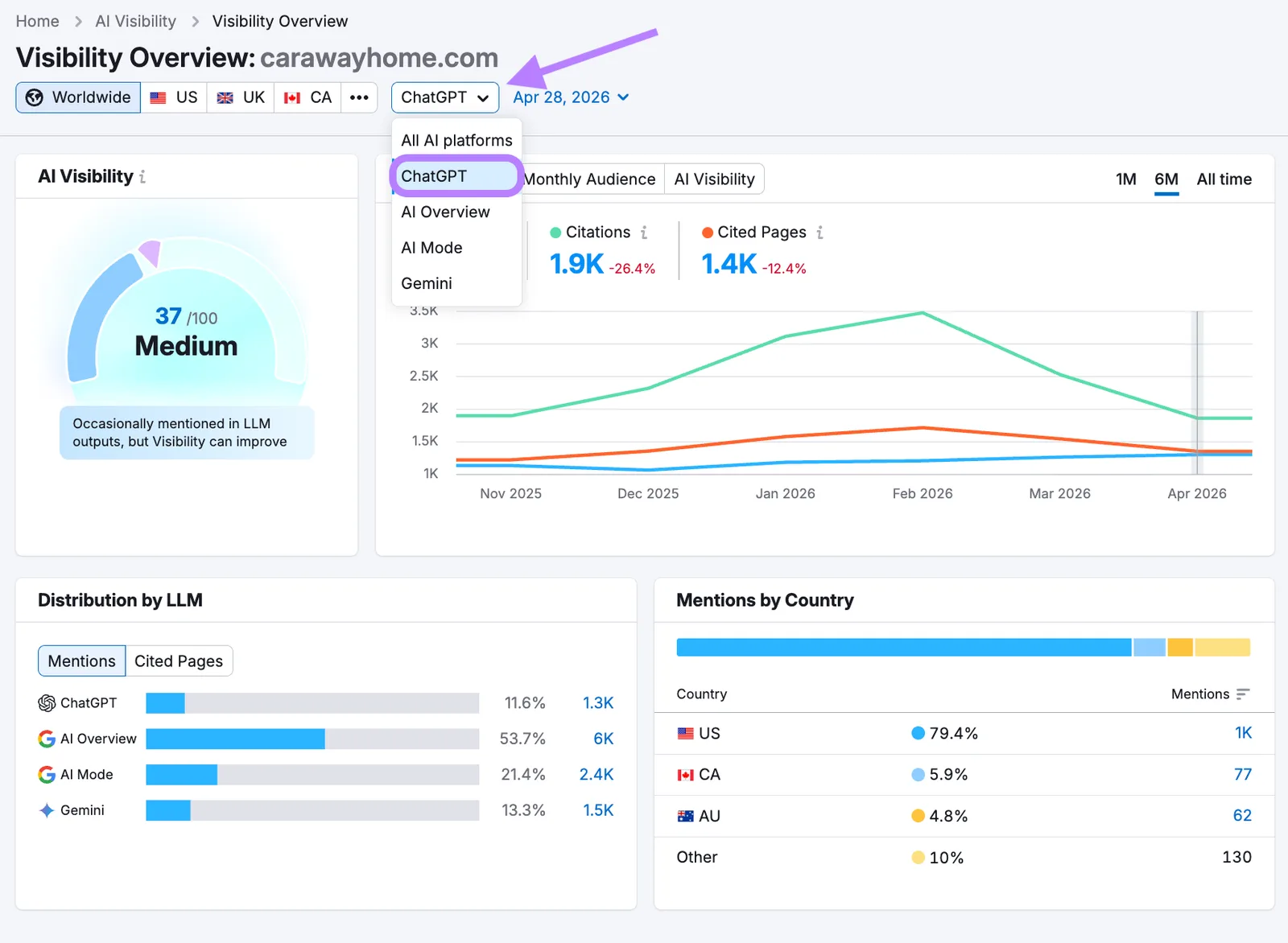
People now ask ChatGPT, Claude, Gemini and Perplexity for recommendations and explanations, and those assistants often draw on web pages to answer. That makes your blog a second distribution channel. A clear, factual post can win a Google ranking and also get quoted in an AI answer.
The formats that are easiest to quote are the same ones that help human readers:
- A direct answer in the first two sentences, with no warm-up.
- One-sentence definitions that stand alone.
- Specific facts, such as steps, numbers, prices and examples.
- Headings written as real questions, plus a short FAQ.
- Named sources for every claim you make.
This practice has a name, generative engine optimization. If it is new to you, start with what GEO means in marketing and our overview of getting cited by ChatGPT and AI search. The short version: you do not need a separate blog for AI. You need better posts.
How to start a business blog, step by step
HubSpot's walkthrough covers the basics of setting up a blog for a company and is worth a watch before you pick a platform.
1. Pick one goal
Choose the main thing the blog must do: leads, calls, trials, store sales or brand awareness. One goal keeps your topics focused. Write it down in a sentence, such as "get 10 quote requests a month from the blog."
2. Define your reader and their questions
List who you want to reach, what problem they have and what they would type to solve it. Talk to your sales or support team, because their daily questions are your best topic list. Write down the exact phrases customers use, not the industry terms you use.
3. Do keyword research you can actually win
Big keywords are dominated by big sites. New and small sites do better with specific, long-tail searches where the competition is thinner. Start with the long tail keyword generator, then check each candidate with the keyword difficulty checker and keep the ones you have a realistic shot at.
4. Choose a platform and put the blog on your own domain
Publish at yourdomain.com/blog, not on a separate site, so the authority you build helps your main website. Common choices for small businesses are WordPress, Wix, Squarespace and Shopify. Pick the one you or your team can run without a developer.
5. Plan a simple calendar
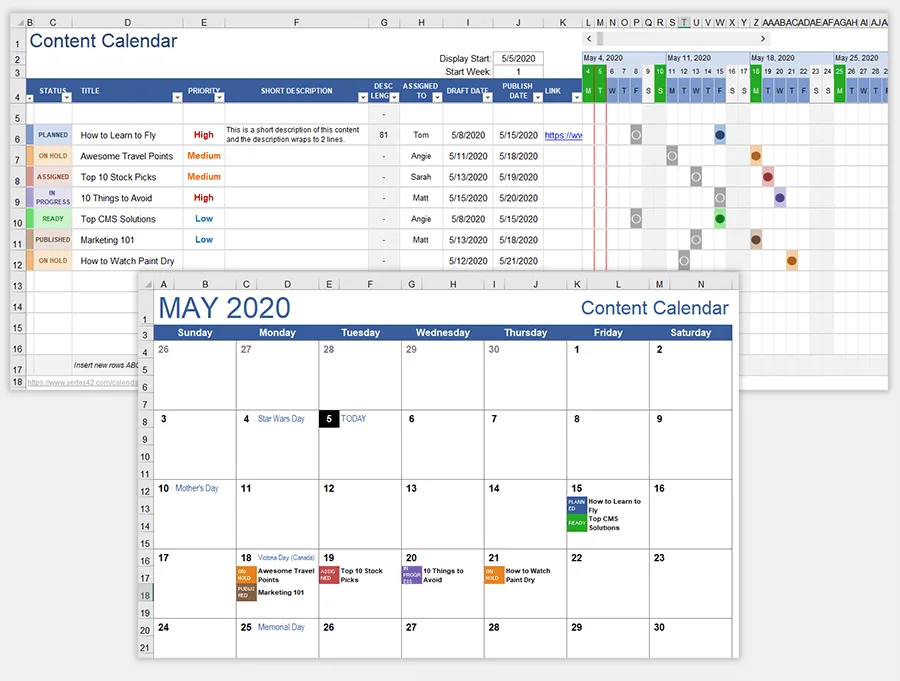
Decide how often you can publish and stick to it. Consistency matters more than volume, and a plan beats random posting. A basic calendar needs only a date, a keyword, a working title and an owner.
6. Write each post to answer, not to advertise
Open with the answer. Use headings that match real searches. Add examples, numbers, a table or a short template. Posts that only advertise your product put readers off, so help first and mention your offer where it fits. Our guide to content SEO writing covers the on-page details.
7. Add links and a next step
Link to your related posts and service pages, and cite sources for facts. End each post with one clear call to action, such as a quote form, a booking link or a free guide.
8. Promote it
A post that nobody sees cannot work, especially in the first months before it ranks. Share it in your email newsletter, on the social channels your buyers use and with customers who asked the question. Business News Daily has practical company blog tips if you want more ideas on promotion and structure.
9. Measure and update
Track page views, bounce rate and conversions in a tool like Google Analytics. Every few months, find the posts that sit on page two of Google and improve them with new sections, fresher facts and better titles. Updates are often cheaper than new posts.
What should a business blog write about?
Write about the questions people ask before they buy. These topic types tend to attract buyers, not just browsers.
| Post type | Example title | Why it works |
|---|---|---|
| Cost and pricing | How much does a kitchen remodel cost? | Searchers close to buying; few honest answers exist |
| Comparison | Option A vs Option B: which fits a small team? | Readers are choosing between options |
| How-to | How to prepare your house for exterior painting | Builds trust and shows expertise |
| Problem and solution | Why your AC freezes up and what to do | Matches urgent, specific searches |
| Local or niche guide | Permits you need for a deck in your city | Few competitors, high intent |
| Questions customers ask | What does a home inspection include? | Great for FAQ sections and AI answers |
The People Also Ask boxes in Google and the related searches at the bottom of the results page are free topic lists. Business blog ideas often come down to this: take your most common sales call question and turn it into a post.
If you run a local or service business, the same logic applies, and our page on SEO for small businesses shows how to apply it to your situation.
Common business blogging mistakes
Most business blogs fail for predictable reasons. Avoid these:
- No goal. Without a purpose, posts drift and nobody can say whether the blog works.
- Writing about yourself. Company news rarely matches what customers search for.
- Picking keywords that are too hard. New sites need winnable targets, not the biggest terms.
- Publishing in bursts. Ten posts in a week and then silence confuses readers and wastes momentum.
- Keyword stuffing. Write naturally and put the main phrase in the title, a heading and the first paragraph.
- Skipping formatting. Big blocks of text raise bounce rates. Use subheadings, short paragraphs, lists and tables.
- Never promoting or measuring. Share your posts and review the numbers monthly.
- No call to action. A post that does not suggest a next step leaves leads on the table.
- Expecting results in a month. Blogging rewards patience. Quitting at month three is the most expensive mistake of all.
Mailchimp's overview of the benefits of blogging for business is a good reminder of why sticking with it is worth the wait.
Tools for business blogging
You do not need many tools. You need something to publish with, something to find topics and something to measure.
| Need | Options | Notes |
|---|---|---|
| Platform | WordPress, Wix, Squarespace, Shopify | Pick the one your team can manage without a developer |
| Keyword research | Free keyword tools on Rankfly, Google Search Console | Start free, upgrade only when you outgrow it |
| Measurement | Google Analytics, Google Search Console | Track visits, bounce rate and conversions |
| Writing | You, a freelance writer or an AI writer | Compare the options in our guide to hiring an SEO writer versus using AI |
| Done-for-you publishing | Rankfly | Researches, writes and publishes for small teams |
Where Rankfly fits
The hardest part of business blogging is not knowing what to write. It is doing it every week for a year. Rankfly's autoblogging picks keywords your site can realistically win, researches the current top 10 results and the questions people ask, then writes one SEO article a day in your brand voice and publishes it to WordPress, Shopify, Webflow, Wix, Framer, Ghost, Notion or a webhook. Review mode lets you approve each article first.
It costs $66 a month for 30 articles, with a 3-day free trial and cancel anytime. It is built for small teams that want content researched, written and published for them. It is not a full SEO suite like Semrush or Ahrefs, so if you need deep technical audits or large backlink databases, you will want something else alongside it.
How to run a profitable blog
A profitable business blog earns more in customers than it costs in time and money. The recipe is simple, if not easy:
- Target keywords where buyers are searching and you can realistically rank.
- Publish on a steady schedule for at least six to twelve months.
- Match each post to a next step, such as a call, form or product page.
- Double down on the 20% of posts that bring the most traffic and leads.
- Update older posts instead of letting them go stale.
If you are asking how long it takes to make a set amount from blogging, there is no honest single answer. It depends on your niche, competition, publishing rate and what you sell. For a business, the better question is how many customers one post needs to bring in to pay for itself.
A plan you can follow this week
You can start in five days without any special tools.
- Day 1: Write your goal and describe your ideal reader in three sentences.
- Day 2: List 20 questions your customers ask. Turn them into 10 searchable keywords and check difficulty.
- Day 3: Build a calendar for the next four weeks, with one post a week to start.
- Day 4: Write your first post. Open with the answer, add one table or list and finish with one clear call to action.
- Day 5: Publish it, share it with your email list and customers, and book a monthly review of your numbers.
If writing and publishing every week feels like too much, Rankfly can generate a free 30-day content plan in about three minutes, and you can decide from there whether to write the posts yourself or let it do the work.
Final thoughts
Business blogging still pays off in 2026 because every good post becomes a lasting asset in Google and in AI answers. Pick one goal, target winnable questions, publish steadily and give it at least six months. Start this week with a plan and one published post.
Frequently asked questions
Is business blogging still worth it in 2026?
Yes, if you publish helpful posts on topics buyers search for and keep going long enough for them to rank. Posts keep working after publication, and clear, factual articles can also be quoted by AI assistants like ChatGPT. It is a poor fit if you need leads next week.
How often should a business blog post?
Publish as often as you can sustain without dropping quality. One post a week is a solid start for most small teams, and more is better only if you can keep the pace. Consistency matters more than bursts of activity.
What is the 80/20 rule in blogging?
It is the idea that roughly 20% of your posts bring about 80% of your traffic or leads. You cannot predict which posts will be the winners, so publish consistently, track results, then update and expand the ones that perform.
How long does it take for a business blog to bring results?
Expect several months before most posts rank and bring steady traffic, and longer for new sites on competitive topics. The exact timing depends on your niche, your site's authority and how winnable your keywords are. Judge the blog after six to twelve months, not after six weeks.
What should a business blog write about?
Write about the questions your customers ask before they buy: costs, comparisons, how-tos and common problems. Your sales and support teams, Google's People Also Ask boxes and related searches are the best sources of topics. Avoid posts that only talk about your company.
Do I need a separate blog to show up in AI answers?
No. The same blog can serve Google and AI assistants. Put the answer in the first two sentences, define terms in one clear sentence, use specific facts and cite your sources.
About the editorial team
Emma writes Rankfly's guides on SEO, AI search and getting small businesses found on Google and ChatGPT.