Content SEO Writing: The Complete Guide for 2026
A plain-English guide to content SEO writing: what it is, why it matters now, a 10-step process, an annotated example, common mistakes, tools and a plan for this week.

Try the free seo content writer
Free, no sign-up. Then let Rankfly research, write and publish the articles that rank.
Use the free toolKey takeaways
- Content SEO writing means writing one page around one search query, matching what the searcher wants, and formatting it so people and AI assistants can use any part of it.
- Put a direct answer in the first two sentences, then cover every follow-up question a reader would have.
- Write each passage so it still makes sense when pulled out of the page, because snippets and AI answers quote pieces, not whole articles.
- Add what only you know, such as your process, your data and your examples, because generic definitions are everywhere.
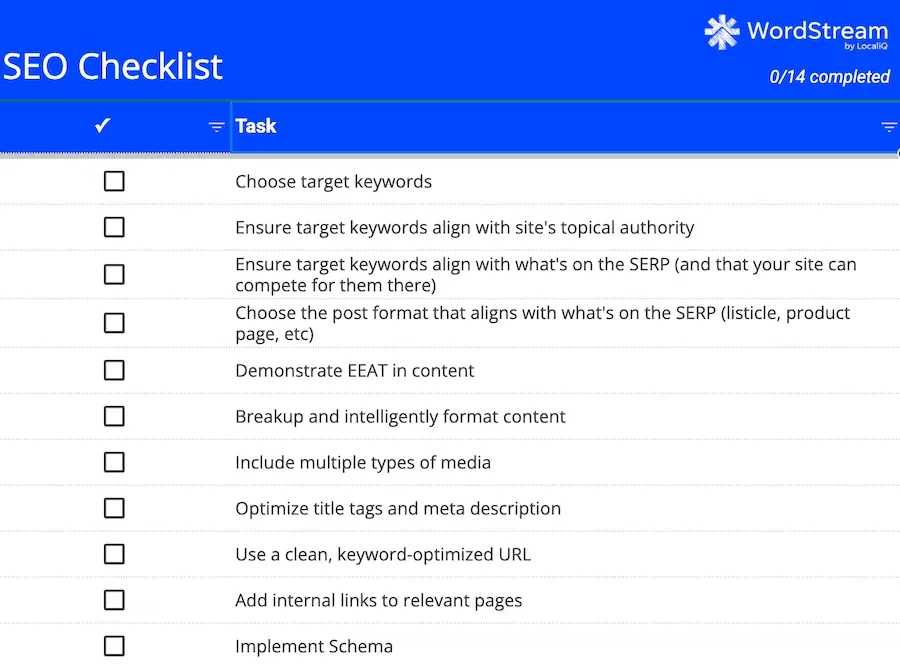
- You can start this week: pick one winnable keyword, write one page with the 10 steps, publish it, and check it again in a few weeks.
Table of contents
Content SEO writing is the practice of writing web content that answers a specific search query well enough to rank on Google and to be quoted by AI assistants like ChatGPT. You choose one keyword, match what the searcher wants, cover the topic fully, and format the page so people and machines can use any part of it.
This guide gives you the definition, the reasons it matters in 2026, a 10-step process, an annotated example paragraph, the mistakes to avoid, the tools worth using and a short plan you can follow this week.
What is SEO content writing?
SEO content writing is the process of planning and writing online content so it appears in search results for the queries your customers type or speak. It combines keyword research, an understanding of search intent, clear writing and on-page details like titles, headings and meta descriptions.
It differs from general copywriting in one way. A TV ad or a product label does not need to come up as an answer in a search engine. An SEO page does, so it has to match a query and beat the other pages that answer it.
You will see this called content writing for SEO, SEO writing or content SEO. They all describe the same job. An SEO content writer is simply the person (or tool) who does it.
Who is an SEO writer?
An SEO writer is someone who writes web content designed to rank in search results, usually blog posts, guides, product pages and landing pages. They research keywords, study what already ranks, write to the searcher's intent and handle on-page elements like the title tag and headings. Many small business owners do this job themselves.
Why does SEO content writing matter in 2026?
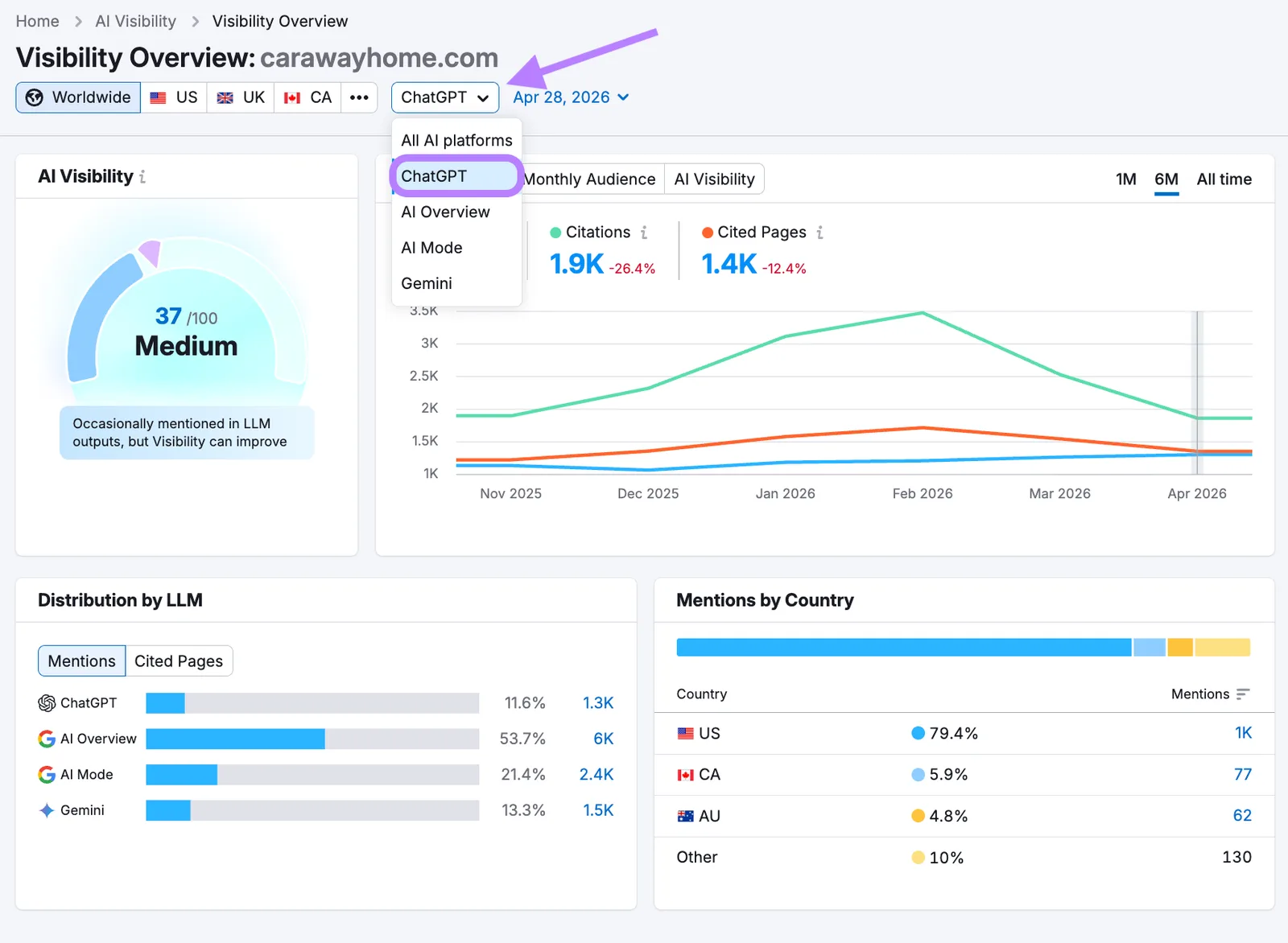
It matters because search is still where buyers look for answers, and the places those answers appear have multiplied. Your page might rank as a blue link, show up as a featured snippet, or get summarized inside an AI answer.
So is SEO dead? No, it is changing shape. Writers who covered one keyword with thin content are losing ground. Writers who produce specific, well-structured, trustworthy pages are winning in both Google and AI tools. If you want the full comparison, read our guide to GEO vs SEO.
Two shifts change how you should write:
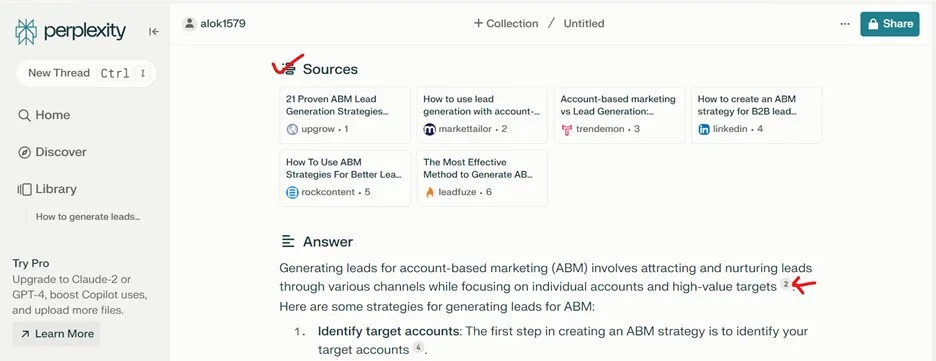
- People see pieces of your page, not the whole page. Backlinko's 2026 guide points out that AI may extract or summarize your content, or Google may show it as a snippet, so writing needs to stay clear at the passage level.
- Generic information is everywhere. AI can produce basic definitions in seconds. Pages that include first-party knowledge, like your process, your data and your examples, stand out.
How to write SEO content: 10 steps
This is the process to follow for every page. It works for blog posts, service pages and product guides. If you prefer to watch it first, this walkthrough from Ahrefs covers the same ground.
Step 1: Decide the page's job
Start with what the page must do for your business. Is it meant to bring in new visitors, convince people to book a call, or answer a question your customers keep asking? Pick one job and one measurable goal, such as organic clicks, form submissions or sign-ups.
Without this step, you write content that is fine to read and does nothing for you.
Step 2: Choose one keyword you can win
Build each page around a single primary keyword. Pick it by looking at what people search for and how hard it is to rank. A new site should aim at specific, lower-competition phrases first, often called long-tail keywords.
Use the free keyword generator to find candidates, then check them with the keyword difficulty checker. Choose the phrase where a site like yours has a realistic chance, not the one with the biggest number next to it.
Step 3: Read the search results and name the intent
Search your keyword and look at the first page. Are the results guides, product pages, lists or videos? That mix tells you what Google thinks the searcher wants.
Write down three things: what the top pages cover, what they all skip, and what format they use. Your page needs to match the format and cover the gaps.
Step 4: Collect the questions people ask
Good SEO pages answer the follow-up questions a reader will have, so put those answers in from the start. Pull them from the People Also Ask box, Google autocomplete and forums.
The free People Also Ask tool gathers them for any keyword. Google Trends is a free way to compare two phrasings and see which one is more popular.
Step 5: Build the outline
Turn the keyword and questions into headings. Use H2s for the main questions and H3s to break up long sections. Write headings the way people search, not the way a brochure would.
A content brief generator can produce a starting outline with the keyword, intent and questions already in it. Edit it with what you know.
Step 6: Answer the question in the first two sentences
Put the direct answer at the top. No warm-up and no story. If the keyword is a "what is" question, give a one-sentence definition right under the heading.
This helps readers who want a quick answer, and it gives Google and AI assistants a clean passage to quote. Snippet-style definitions work best directly after a heading.
Step 7: Add what only you know
This is the step most pages skip. Add your own process, numbers from your business, photos, mistakes you have seen and opinions you can defend. Backlinko calls this kind of proof the thing that makes E-E-A-T concrete.
A plumber writing about water heater repair can explain how a job really goes. A SaaS founder can show how a feature is actually used. That detail is what generic pages cannot copy.
Step 8: Make every passage stand alone
Write so a single paragraph still works when it is pulled out of the page. Name the subject instead of using "this" or "it". Keep paragraphs to two to four sentences. Use lists for steps and a table when you compare options.
Before and after:
- Before: "This cuts the time it takes by half."
- After: "Writing from a content brief cuts the time to a first draft by about half for our team."
The second sentence survives being quoted. The first does not. (If you use a number like that, make sure it is real and you can back it up.)
Step 9: Write the title, meta description, URL and alt text
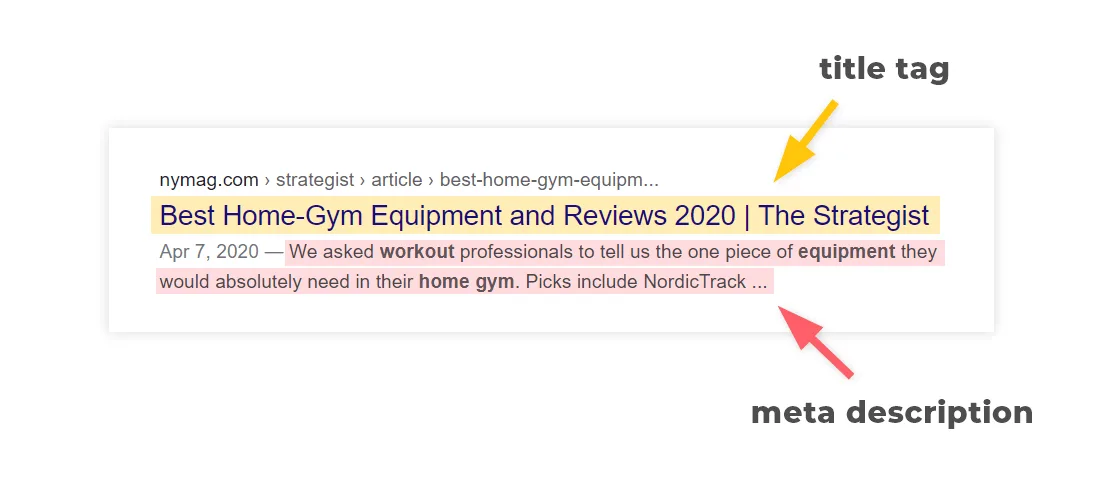
These few elements are small but they decide whether people click. Put the primary keyword near the start of the title tag, keep the title short enough to display, and write a meta description of about 160 characters that gives a reason to click.
The SEO title generator gives you options to test. Add a short, readable URL, and write alt text that describes each image in plain words.
Step 10: Link, publish, measure and update
Link to related pages on your site using descriptive anchor text, and link out only to sources you trust. Then publish and watch the data. Google Search Console shows which queries your page appears for and which ones get clicks. Analytics shows how long people stay.
If people arrive and leave fast, check whether the intro answers the question or whether the title promises something the page does not deliver. Update the page when the answer changes.
What does good SEO writing look like? An annotated example
Here is a short opening paragraph for the keyword "what is a content brief". The notes below it show what each part is doing.
A content brief is a one-page plan that tells a writer what to cover before they start. It lists the target keyword, the search intent, the headings to use, the questions to answer and the pages to link to. Teams use briefs so every article meets the same standard, no matter who writes it.
| Part of the paragraph | What it does |
|---|---|
| "A content brief is a one-page plan..." | Gives a one-sentence definition that can be quoted as is, with the keyword in the first words. |
| "It lists the target keyword, the search intent..." | Adds the specifics a reader needs next, in a short list sentence that a snippet can use. |
| "Teams use briefs so every article..." | Explains why it matters, which answers the follow-up question. |
| Whole paragraph | Names the subject ("a content brief", "briefs") instead of using "this", so it still works out of context. |
Notice what is missing. There is no "in this article we will explore" and no keyword repeated five times. The keyword shows up where it fits and nowhere else.
Common SEO content writing mistakes
| Mistake | Why it hurts | Fix |
|---|---|---|
| Keyword stuffing | Search engines treat repeated phrases as spammy, and readers notice. | Use the keyword in the title, a heading, the opening and the meta description, then write naturally. |
| Writing for yourself | You are not your reader, so the language and depth miss the mark. | Mimic your audience's words and answer their questions. |
| Aiming at a word count | Length does not rank pages. Coverage does. | Write as long as it takes to cover the topic. Check the ideal blog post length for a guide. |
| Burying the answer | Readers leave and snippets go to someone else. | Answer in the first two sentences. |
| Generic content | AI and competitors already say the same thing. | Add your own data, process and examples. |
| Skipping metadata | Fewer clicks even at a good ranking. | Write a clear title tag and meta description for every page. |
| One and done | Answers go stale. | Review and update pages that are slipping. |
Tools for content SEO writing
You do not need a big stack. Match the tool to the job.
| Tool | Best for | Limits |
|---|---|---|
| Google Trends | Free check of which phrasing is more popular | Shows relative interest, not exact volume |
| Google Search Console | Seeing which queries your pages appear for | Shows results after you publish, not before |
| Semrush or Ahrefs | Full keyword, backlink and competitor research | Built for people who will do the SEO work themselves, so there is a learning curve |
| Surfer or Clearscope | Scoring a draft against top-ranking pages | Helps you optimize a draft, but you still write it |
| Free Rankfly tools | Keyword ideas, briefs, titles, meta descriptions and drafts | One-off tools, not a full publishing workflow |
| Rankfly | Researching, writing and publishing an article a day | Built for small teams, not a full SEO suite like Semrush or Ahrefs |
Check each vendor's site for current pricing and plans before you decide.
What if you do not have time to write every page?
The 10 steps work, but they take hours per article, and ranking takes many articles. That is where most small businesses stall.
Rankfly is an SEO autopilot for people who want traffic from Google and AI assistants without doing the SEO themselves. It finds keywords your site can realistically win, plans a 30-day content calendar, then researches the top 10 results, writes one article a day in your brand's voice, and publishes it to WordPress, Shopify, Webflow and other platforms. You can turn on review mode to approve each article first. It costs $66 a month for 30 articles, with a 3-day free trial.
A short plan you can follow this week
| Day | Task |
|---|---|
| Monday | Write down the page's job and goal. Find five candidate keywords and check their difficulty. |
| Tuesday | Pick one keyword. Read the top results and note intent, format and gaps. |
| Wednesday | Collect questions and build the outline with H2s and H3s. |
| Thursday | Write the draft. Answer first, add your own proof, keep paragraphs short. |
| Friday | Edit each paragraph so it stands alone. Write the title tag, meta description and alt text. Add internal links. |
| Saturday | Publish and request indexing in Search Console. |
| Sunday | Pick next week's keyword. Set a reminder to check the page's queries in a few weeks. |
Final thoughts
Content SEO writing comes down to one keyword per page, a direct answer first, full coverage of the questions around it, and your own proof, all formatted so any passage can be quoted. Start with the one-week plan above, and use the free SEO content writer if you want a structured draft to build on.
Frequently asked questions
What is content SEO writing?
Content SEO writing is writing web pages so they rank in search results and get quoted in AI answers. It combines keyword research, search intent, clear structure and on-page details like titles and meta descriptions.
Is SEO dead or evolving in 2026?
SEO is evolving, not dead. People still search, but your content may now appear as a snippet or inside an AI answer. That makes clear, specific, well-structured pages with real expertise more valuable than thin keyword-focused ones.
How do I learn SEO writing as a beginner?
Start with the 10 steps in this guide on one real page. Learn to pick a winnable keyword, read the search results, answer the question first and write a good title and meta description. Then check Google Search Console after publishing and improve the page based on the data.
What are the top 5 SEO strategies?
The five that matter most for content are choosing winnable keywords, matching search intent, covering the topic more completely than competitors, writing clear titles and meta descriptions, and linking related pages together. Earning links from other sites helps too, but it comes after the content is good.
How long should an SEO article be?
Long enough to cover the topic fully and no longer. Look at what ranks for your keyword and make your page more complete and easier to use, rather than aiming for an arbitrary word count.
About the editorial team
Emma writes Rankfly's guides on SEO, AI search and getting small businesses found on Google and ChatGPT.